
Is there such a thing as a renaissance voice?
On 25 October 11h, day after the concert, Björn Schmelzer is giving a lecture/aftertalk at the Escola de Música Nossa Senhora do Cabo (EMNSC) in Linda-a-Velha (Oeiras). Schmelzer will focus on his artistic and aesthetic approach with Graindelavoix, more specifically in the context of renaissance polyphony and the voice.
https://www.maac.pt/artista/bjorn-schmelzer

Working on a new program with the amazing polyphony of the recently (re-)discovered composer Vicente Lusitano in the beautiful church of São Romão in Carnaxide (Oeiras, Portugal).
Join our concert tomorrow 24 October at 21h30: places are limited!
With Teodora Tommasi, Florencia Menconi, Albert Riera, Andrés Miravete, Marius Peterson, Tomàs Maxé, Toni Fajardo & Björn Schmelzer
https://www.maac.pt/ensemble/graindelavoix

Working on Machaut/Kurtág, featuring pianist Jan Michiels, at the magnificent Chiesa di San Lorenzo, for tomorrow’s concert of the Venice Biennale.
Unfortunately it’s already sold out…
With Florencia Menconi, Andrew Hallock, Albert Riera, Andrés Miravete, Tomás Maxé, Arnout Malfliet, Jan Michiels & Björn Schmelzer
@labiennale
https://www.labiennale.org/.../graindelavoix-epitaphs...
https://www.labiennale.org/en/music/2025/music-performances/graindelavoix-epitaphs-afterwardness

We are back in Prague!
Ex Nihilo : Josquin, Obrecht, Ribera, De Wert….
https://www.fok.cz/en/graindelavoix-josquin
With Teodora Tommasi, Florencia Menconi, Andrew Hallock, Albert Riera, Andrés Miravete, Marius Peterson, Tomás Maxé, Arnout Malfliet & Björn Schmelzer
Have a look at the nice concert pictures by Petr Chodura!


Impressions from our run-through yesterday night!
We perform tonight at 21h at Fondation Fiminco in Paris, part of the choir-cycle of Philharmonie de Paris…!
With Manuel Mota, Florencia Menconi, Teodora Tommasi, Andrew Hallock, Andrés Miravete, Albert Riera, Marius Peterson, Tomás Maxé, Arnout Malfliet, Lluís Coll, Berlinde Deman, Pierre-Antoine Tremblay, Christopher Price, Alex Fostier & Björn Schmelzer (and Margarida Garcia (scenographie) and Katrijn Degans (production))….
https://philharmoniedeparis.fr/fr/activite/concert-vocal/28929-tremblement-de-terre
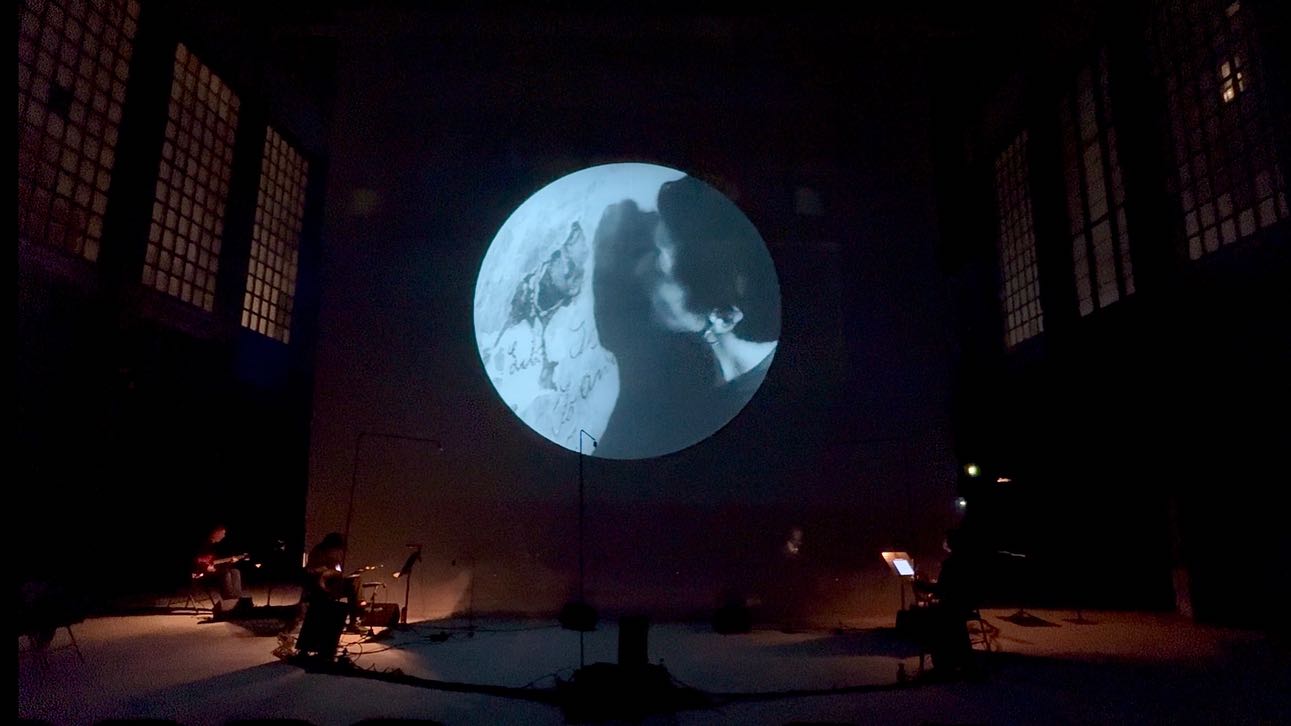
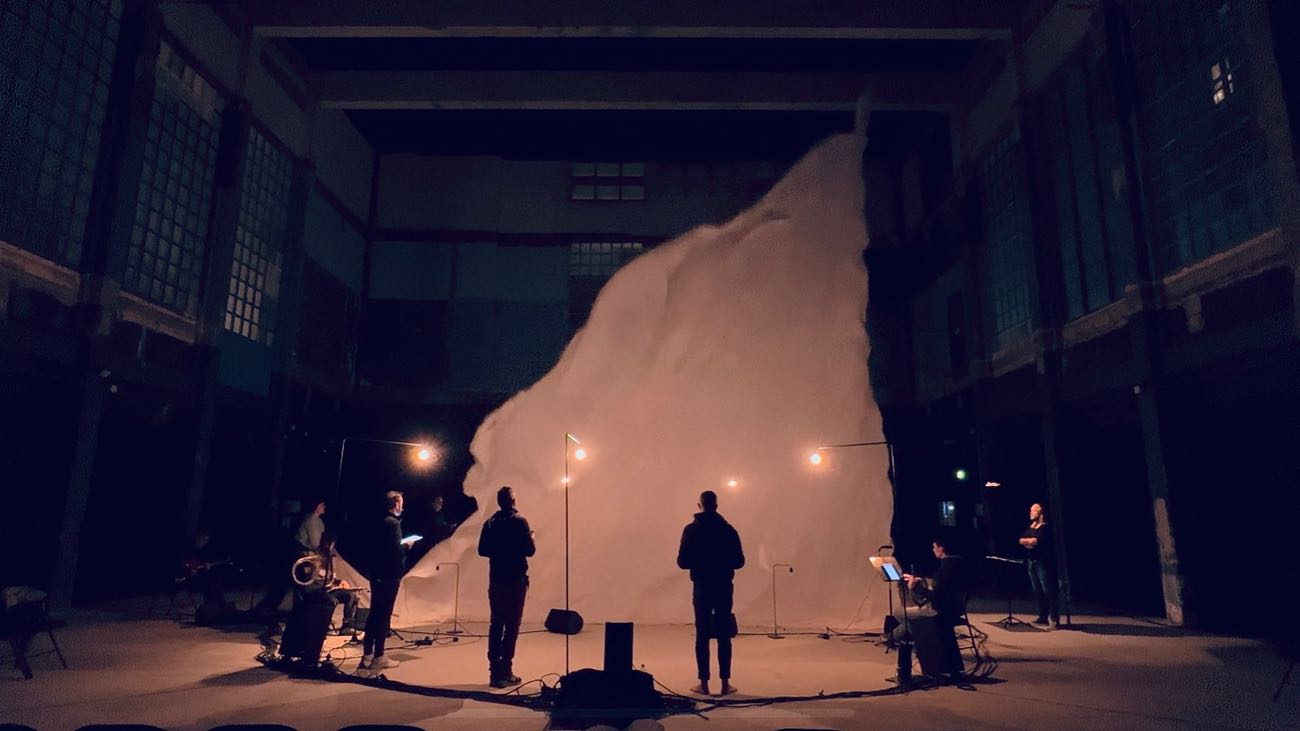
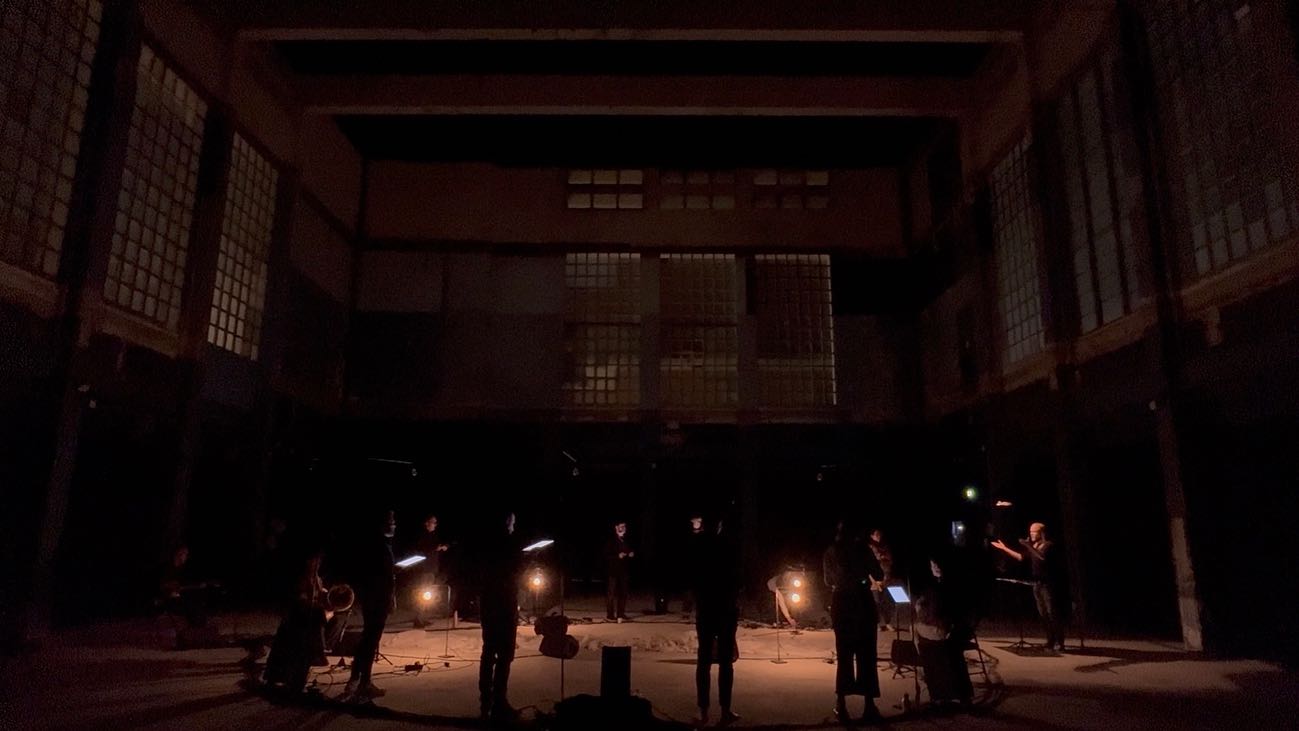

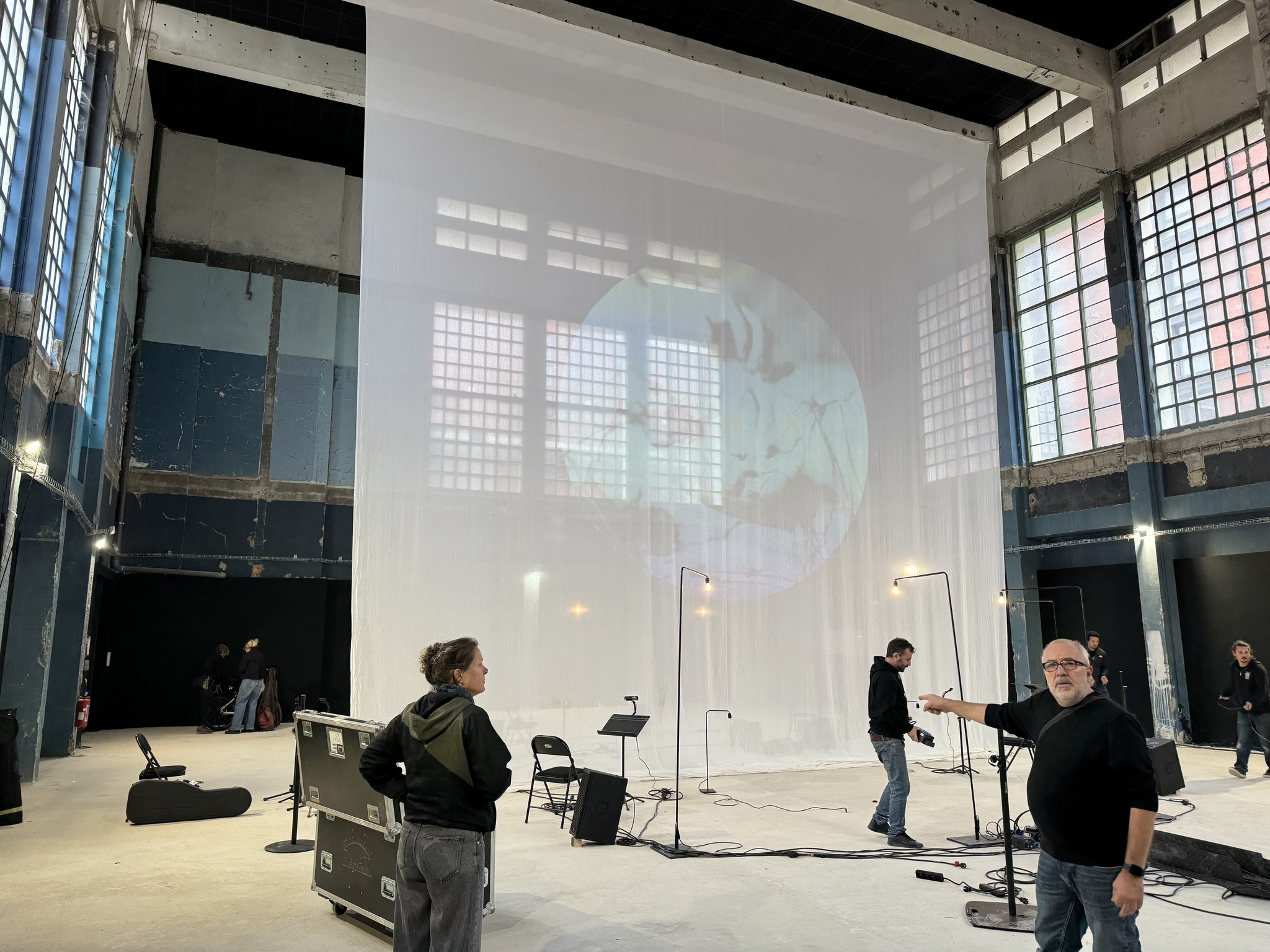
We are setting up for Brumel’s Earthquake Mass in Paris! Concert on Saturday at 21h in the spectacular hall of the Fondation Fiminco…
Last tickets available…don’t miss it, we have the feeling it’s going to be very special!
Check out the website of the Philharmonie de Paris:
https://philharmoniedeparis.fr/en/activite/28929
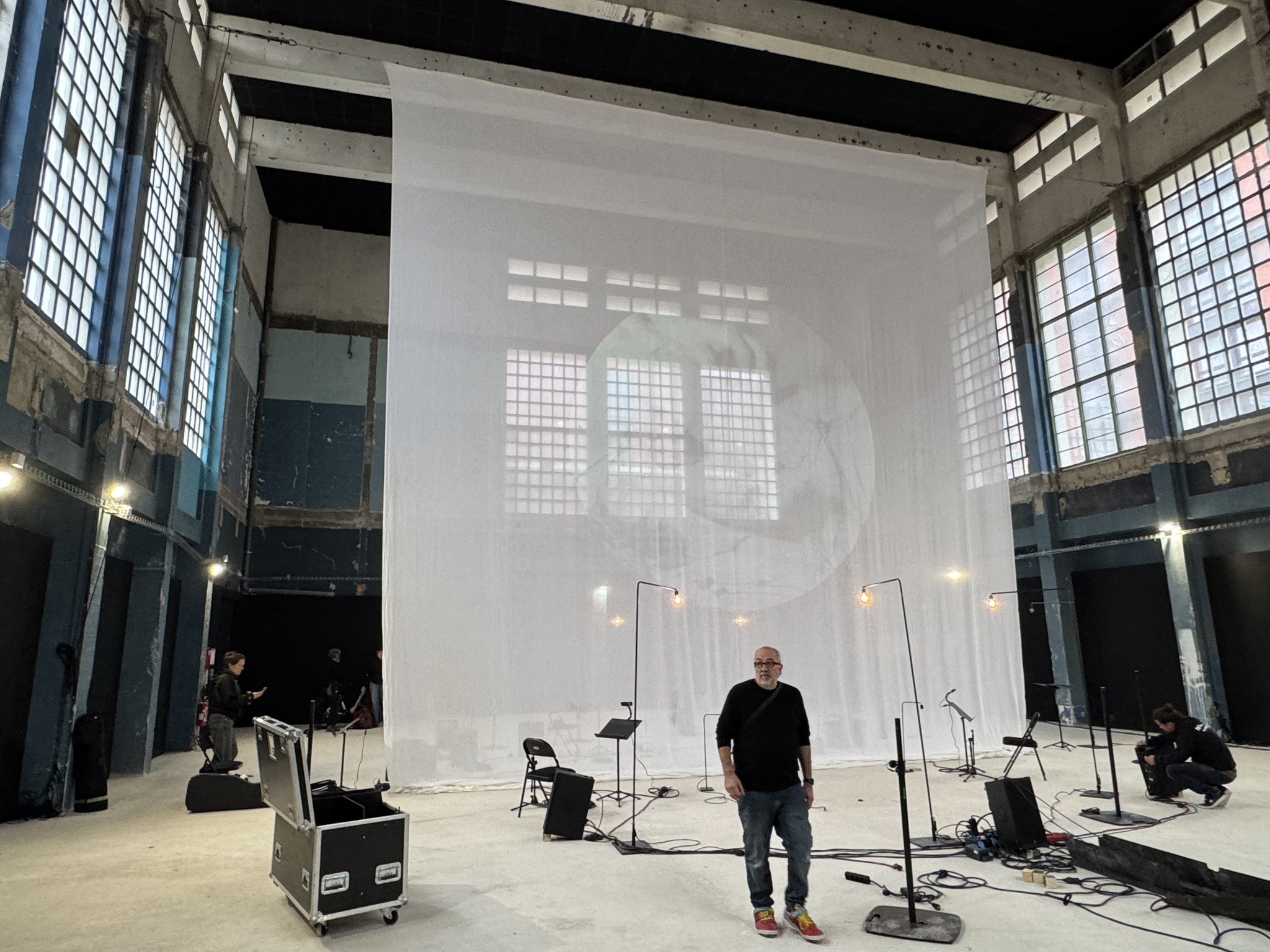
Proch dolor, lament from the chansonnier of Margaret of Austria (by Pierre de la Rue?), as we performed it a week ago in Utrecht…
With Teodora Tommasi, Florencia Menconi, Andrew Hallock, André Pérez, Albert Riera, Marius Peterson, Tomás Maxé, Arnout Malfliet, Lluís Coll, Floris De Rycker & Björn Schmelzer
We emptied our festival space today!
It has been such a rich month of August!
We would like to thank all involved and participating.
We are really greatful for all those incredible contributions…
There is a lot of material gathered from all concerts, talks, lectures, seminars and so on, which we will for sure put online in the coming time and reflect upon.
Thank you and who knows we will continue this adventure…
You can re-listen our Laus polyphoniae concert of yesterday through this live stream caption and feel something of the vibe!
Thanks to Bart, Frederic and their team for inviting us and making it happen.
And thanks to our public for being so generously present and enthusiastically sharing our excitement with these obscure repertoires!
https://amuz.be/en/activity/graindelavoix-contre-nature/
What a great lecture Marlies De Munck gave yesterday night at our festival!
You can still join our open rehearsals next week on 25, 26 and 27 August at the space in the Jos Smolderenstraat 76, between 11-13h and 14-18h.
Please come to listen to the singers, musicians and some explanations by Björn Schmelzer while working on our new Contre Nature program, a subversive history of polyphony!
Free entrance!
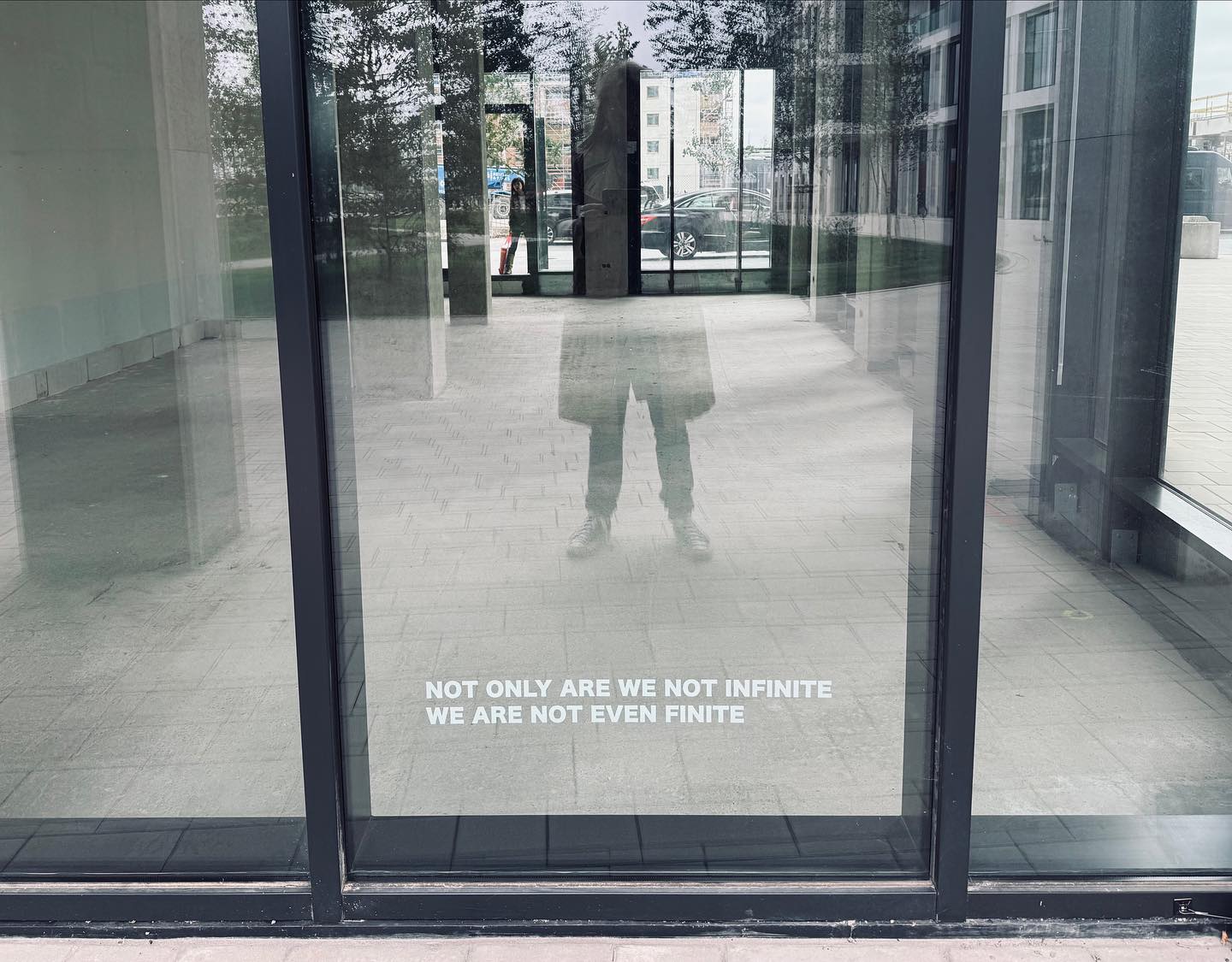
https://www.graindelavoix.be/.../summer-festival-not-only...
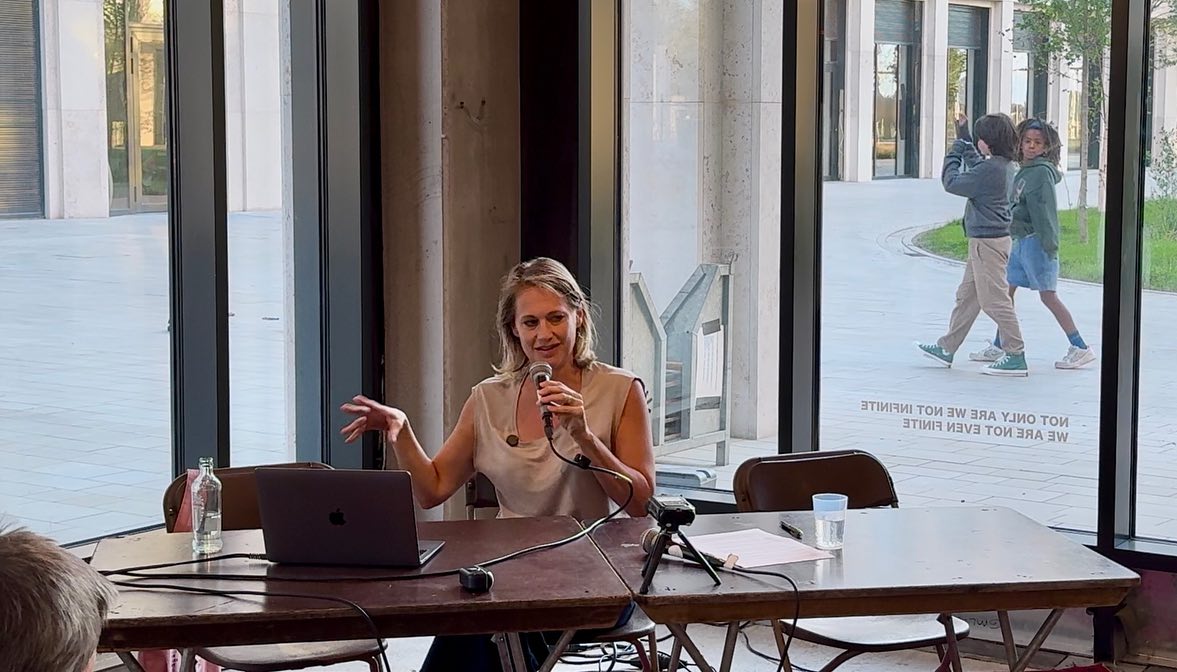
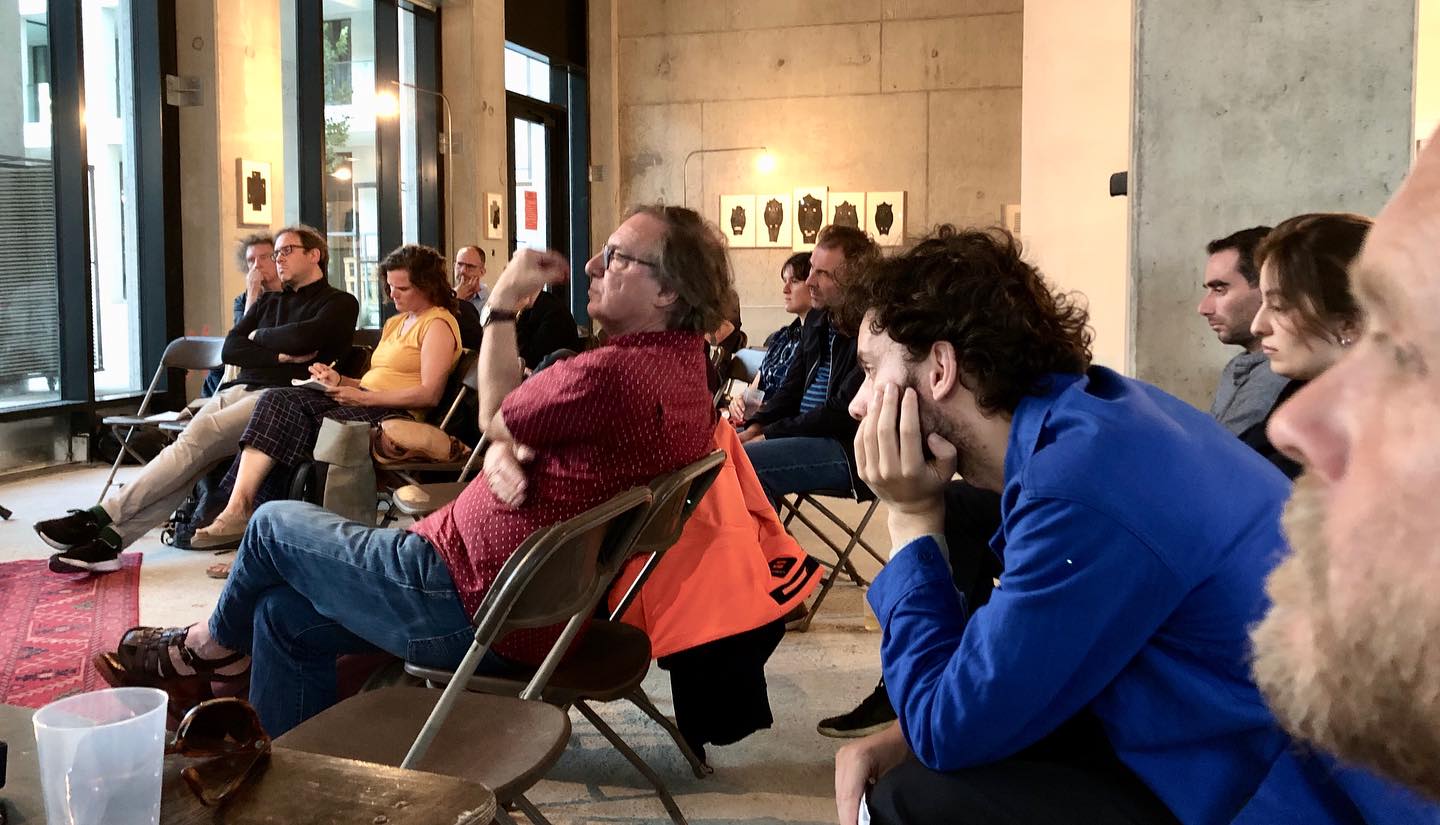
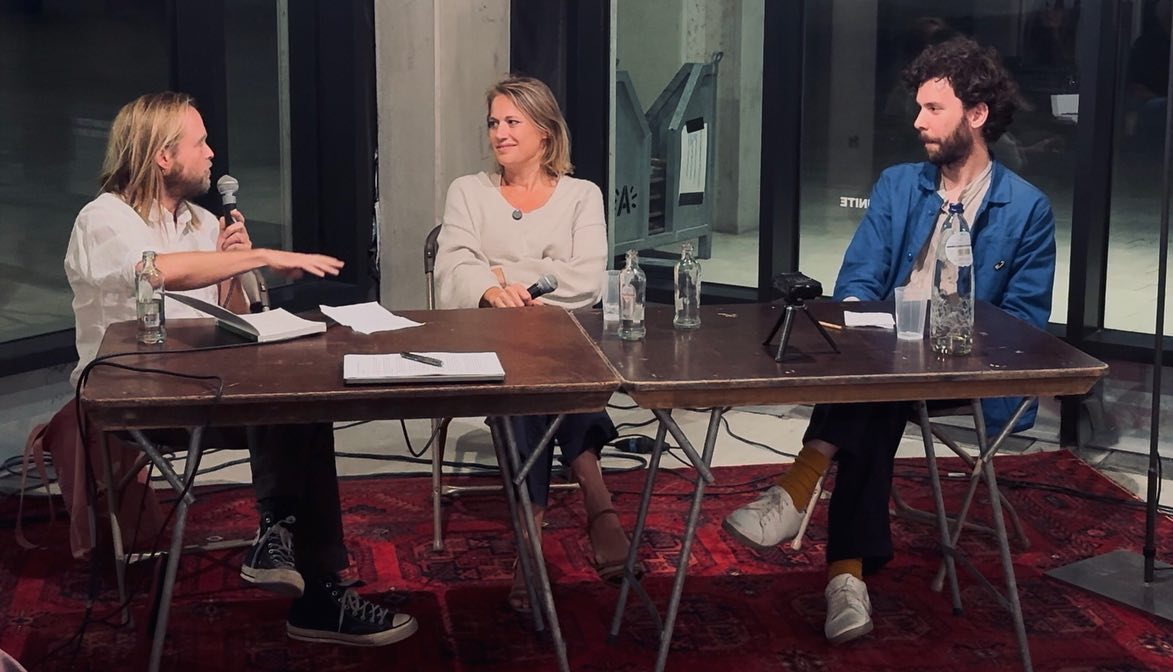
A snippet from our Cusanus summer school with four singers of graindelavoix (Andrew Hallock, Albert Riera, Marius Peterson and Arnout Malfliet) and the engaged participants with whom we shared a very productive two days…today already last day of the school and tomorrow we welcome Antwerp philosopher Marlies De Munck at 20h for an intriguing lecture on writing about music, its attempts and failures, making of the “essay” the ideal genre.
21 August 20h - MARLIES DE MUNCK
Trials, Errors and Mistakes : A Talk about the Musical Essay
https://www.graindelavoix.be/.../summer-festival-not-only...
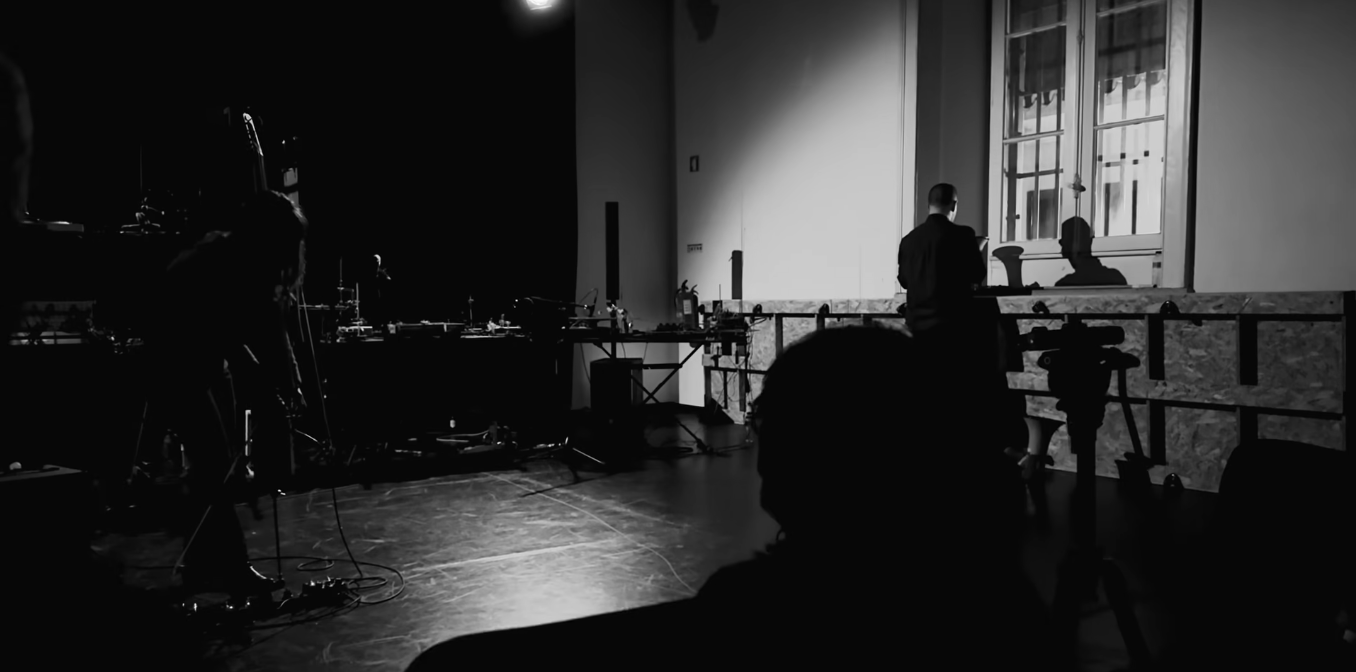
Tomorrow 16 August 20h we host Margarida Garcia and Vasco Alves, Lisbon duo with double bass and megaphones.
The concert is followed by an aftertalk ("The trouble with Improvisation") with the artists, Luís Neiva and Björn Schmelzer.
Join us at Jos Smolderenstraat 76 in Antwerp!
https://www.graindelavoix.be/.../summer-festival-not-only...

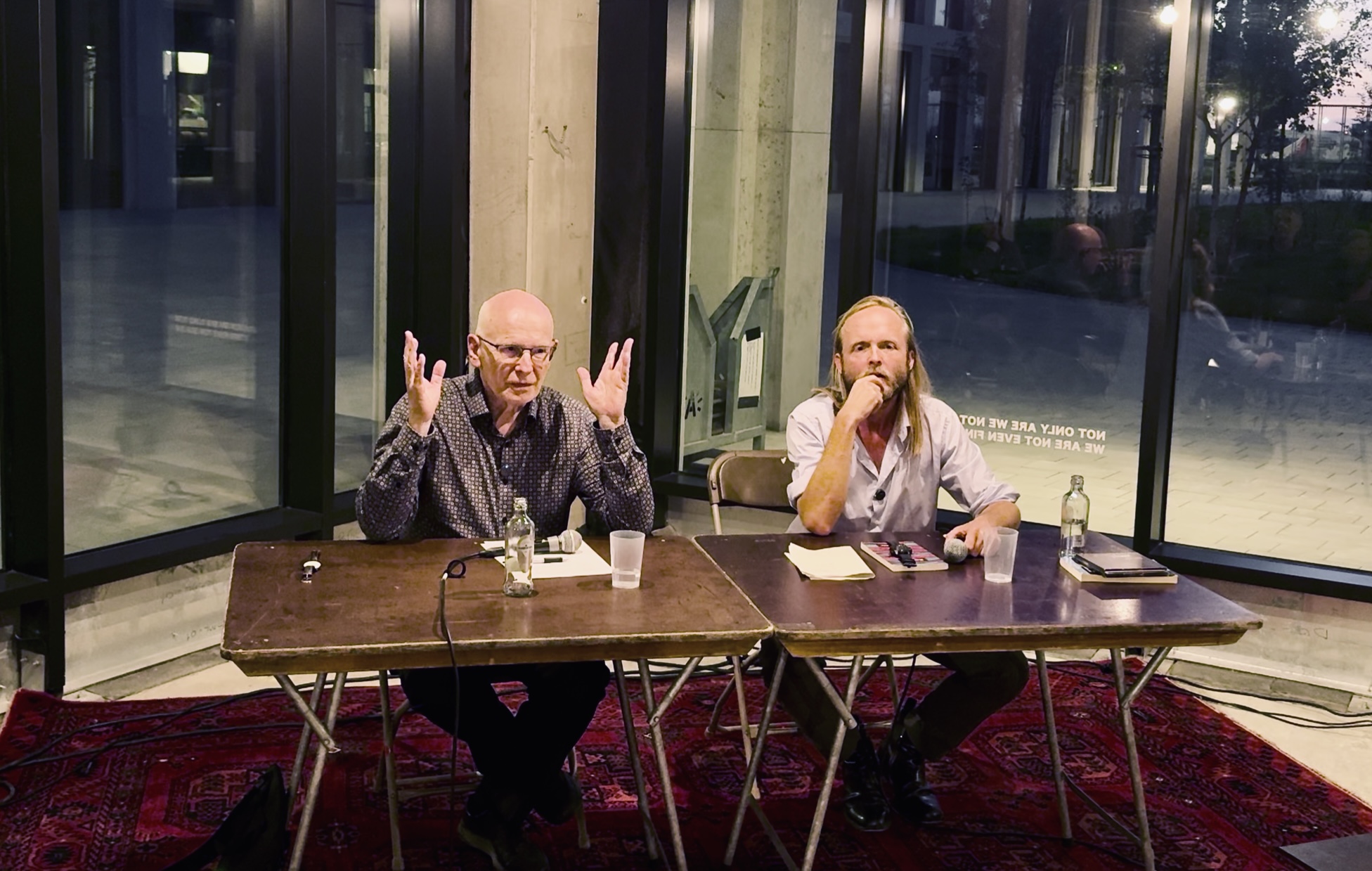
Two amazing talks with Mladen Dolar and Alain Franco the previous days, and tomorrow Björn Schmelzer and Luís Neiva dive into the exhibition GEBRAUCHSMUSIK (new work by Margarida Garcia and Bert Timmermans); if you didn’t see the exhibition yet or you are intrigued and want to know more, join us tomorrow at 20h in the festival space at Nieuw-Zuid Antwerpen (Jos Smolderenstraat 76)!
https://www.graindelavoix.be/.../summer-festival-not-only...
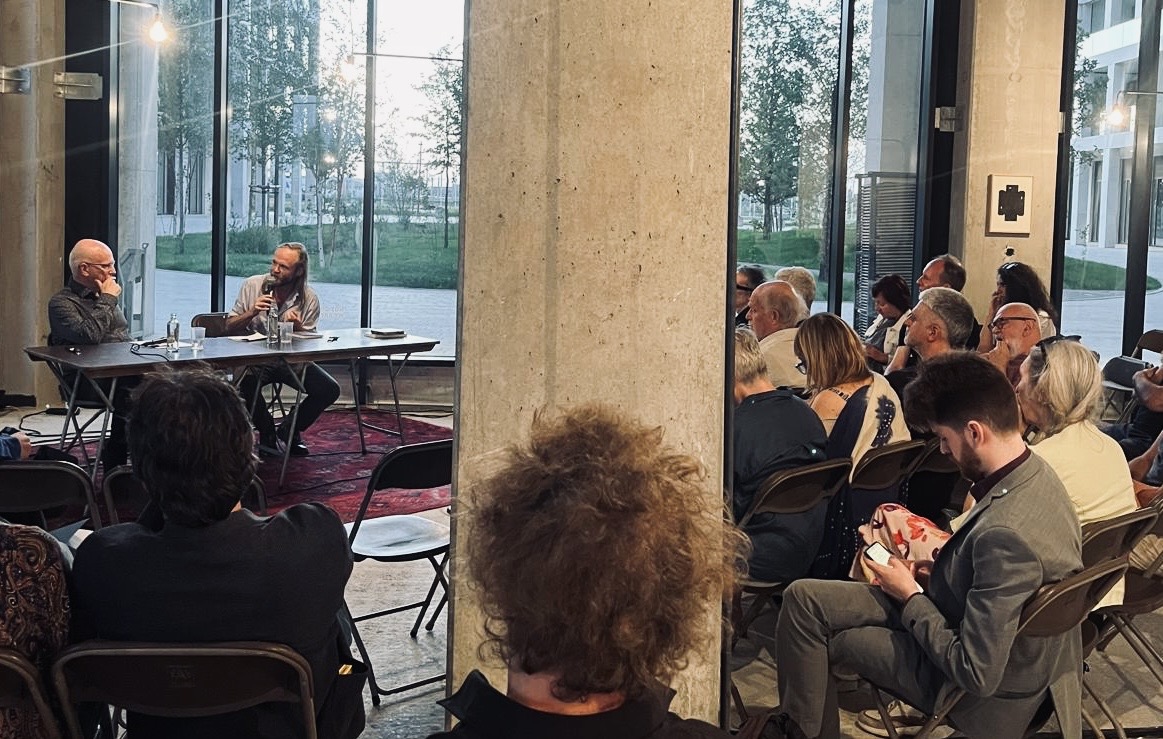
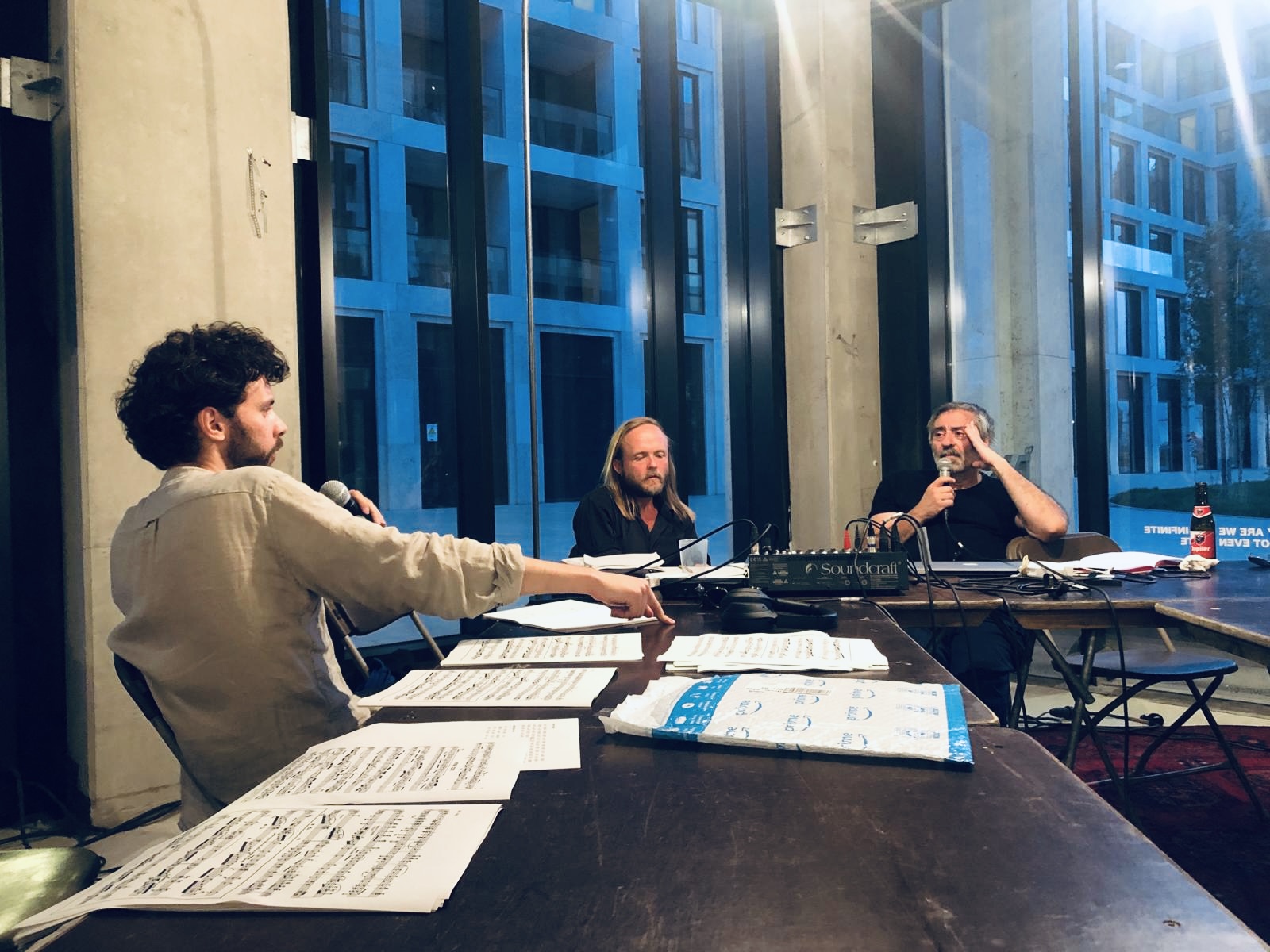
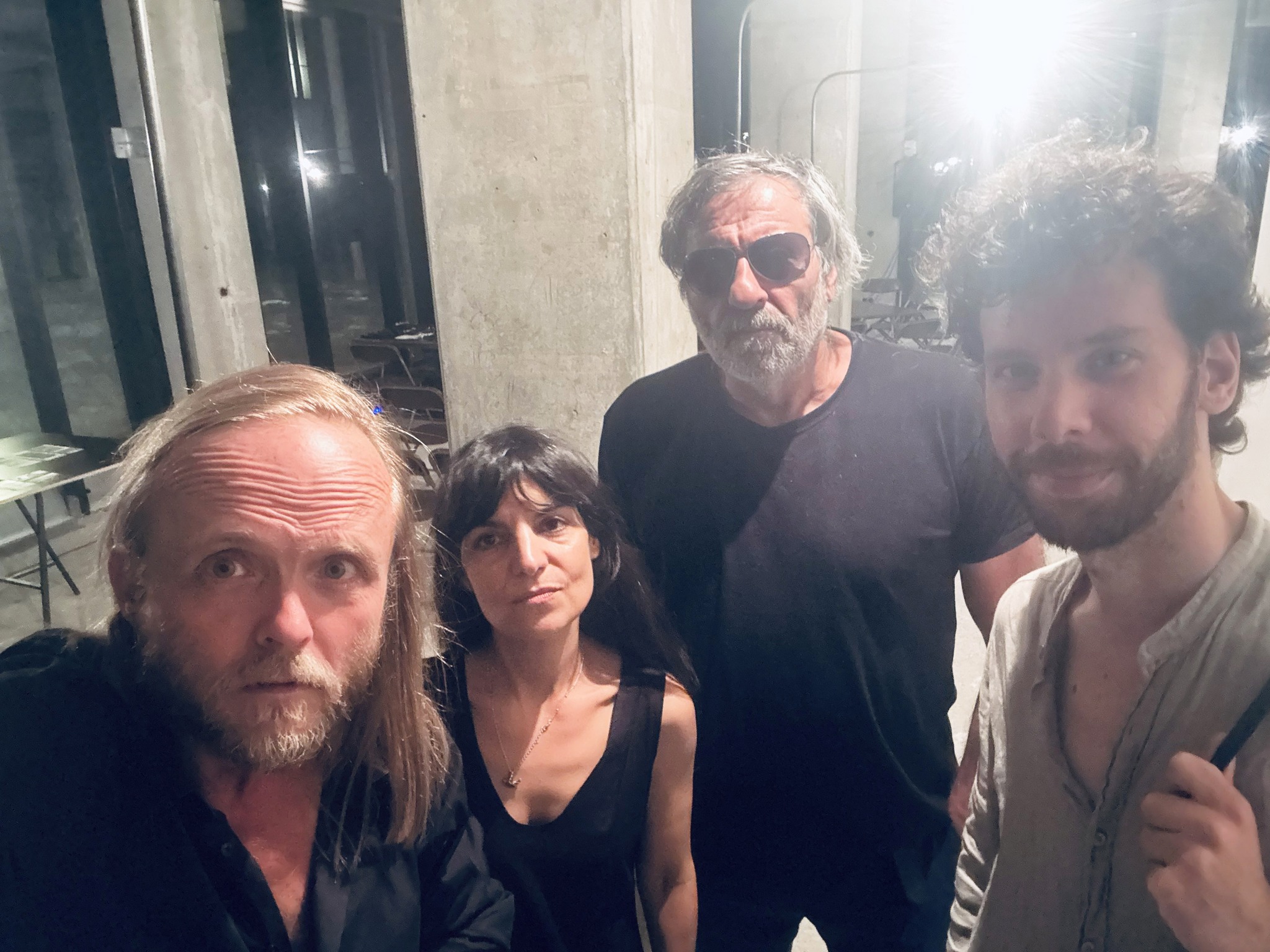
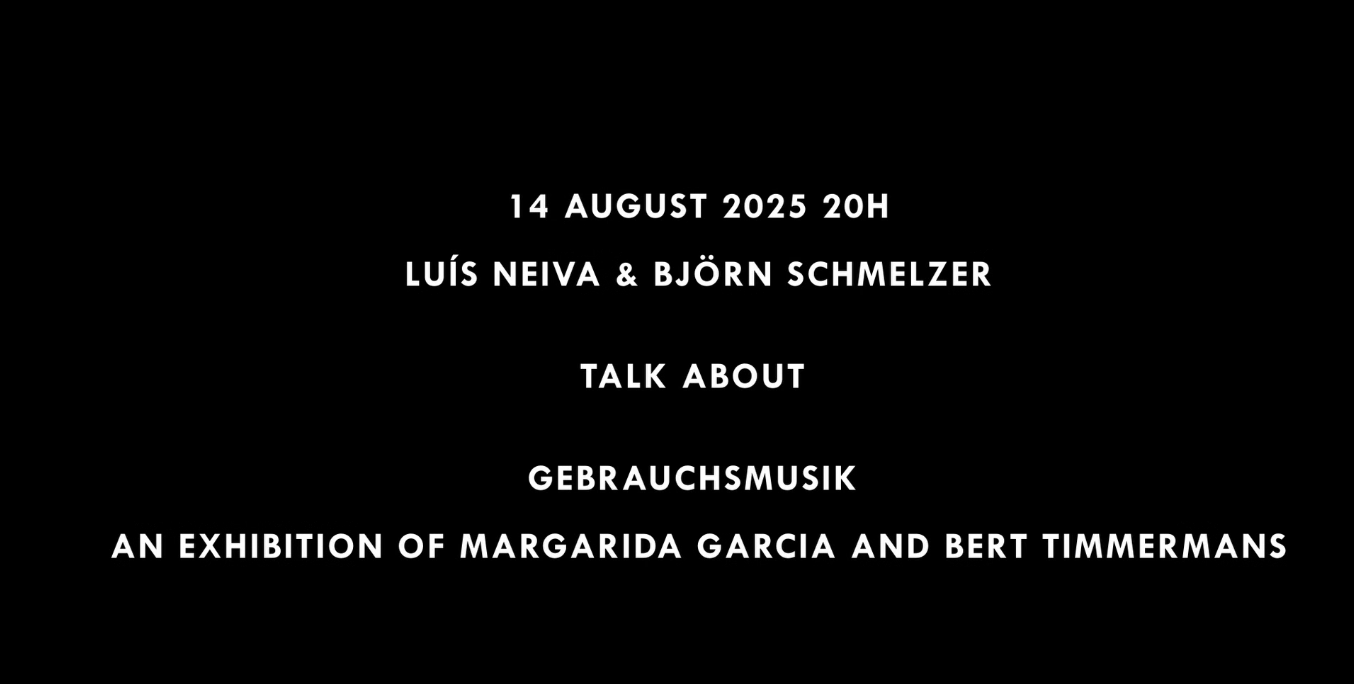
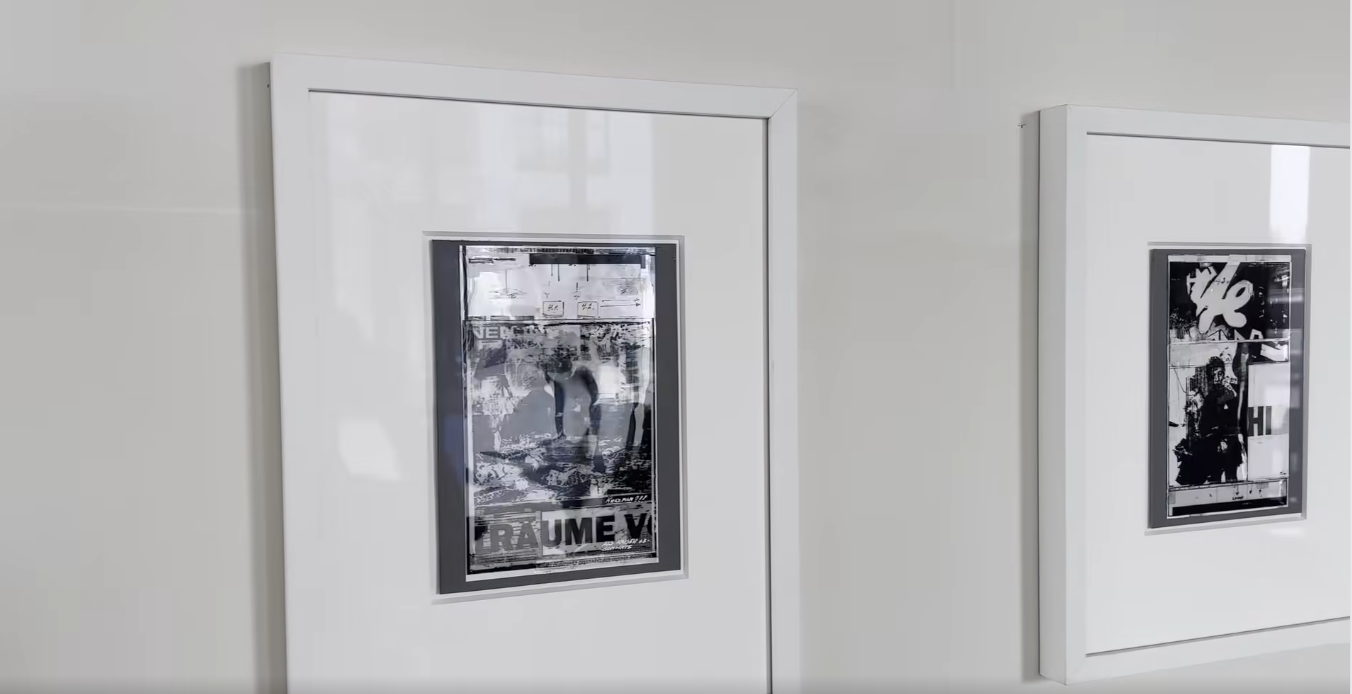
Tomorrow 14 August 20h Luís Neiva and Björn Schmelzer discuss GEBRAUCHSMUSIK the exhibition in our festival space with works by Margarida Garcia and Bert Timmermans.
Expect an exciting talk about Art and autonomy, functionalism, the market, trauma and history.


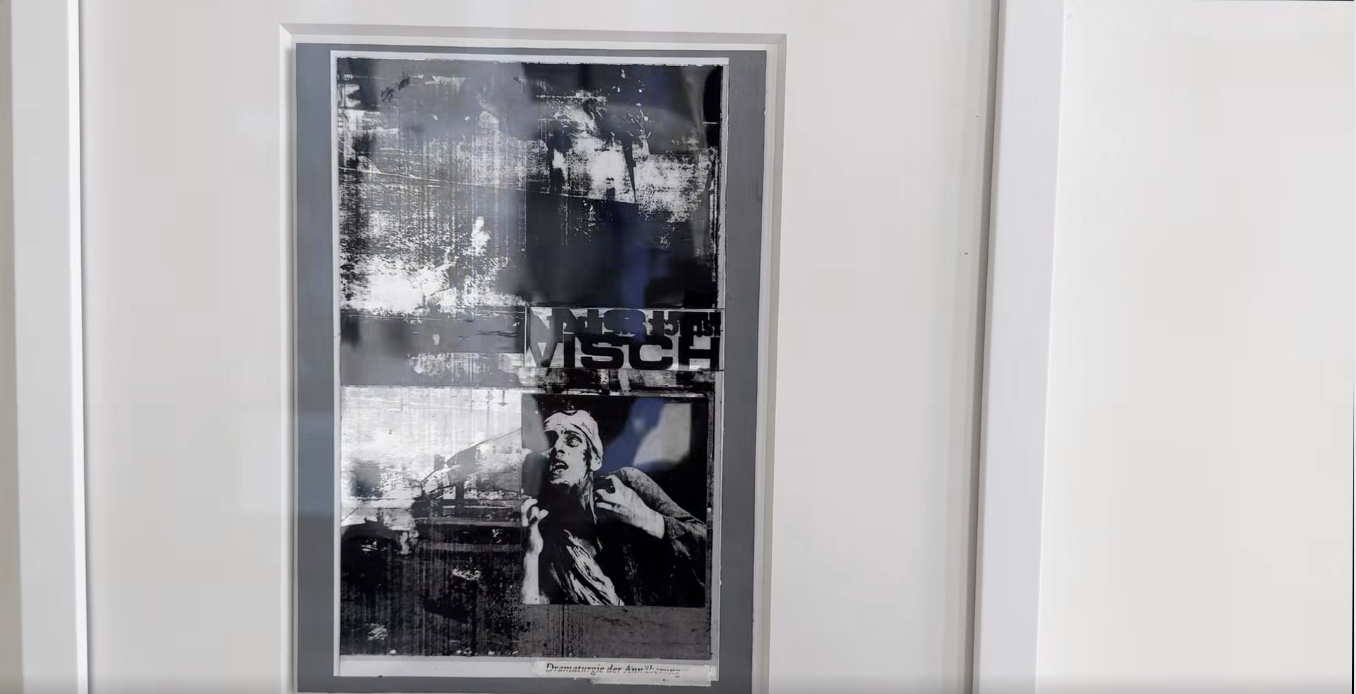
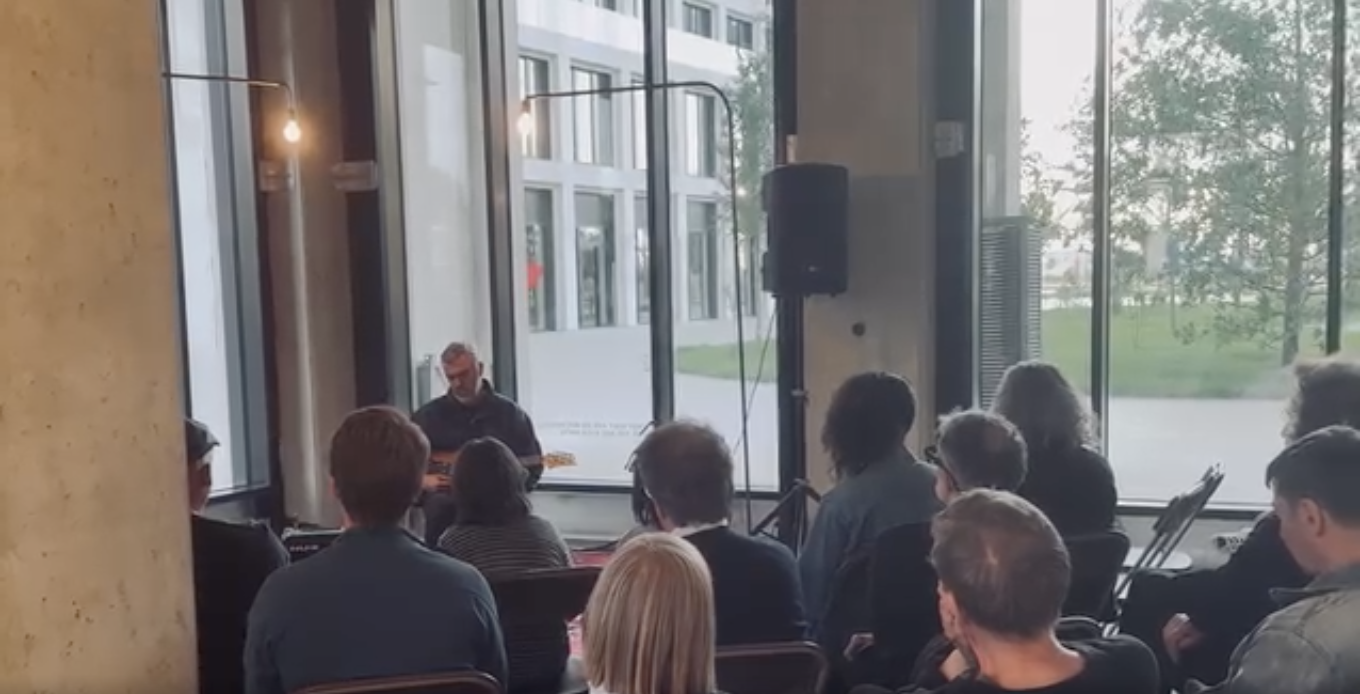
Yesterday's inspiring evening with Manuel Mota and engaged talk/discussion afterwards about his work; looking forward to the screening of "A Glass Darkly" (Een Donkere Spiegel) - a film Björn Schmelzer made with philosopher Frank Vande Veire about his thinking, tomorrow 7 August, 20h at the festival space (Jos Smolderenstraat 76, Antwerp)
https://www.facebook.com/events/669775826115467
https://www.graindelavoix.be/.../summer-festival-not-only...
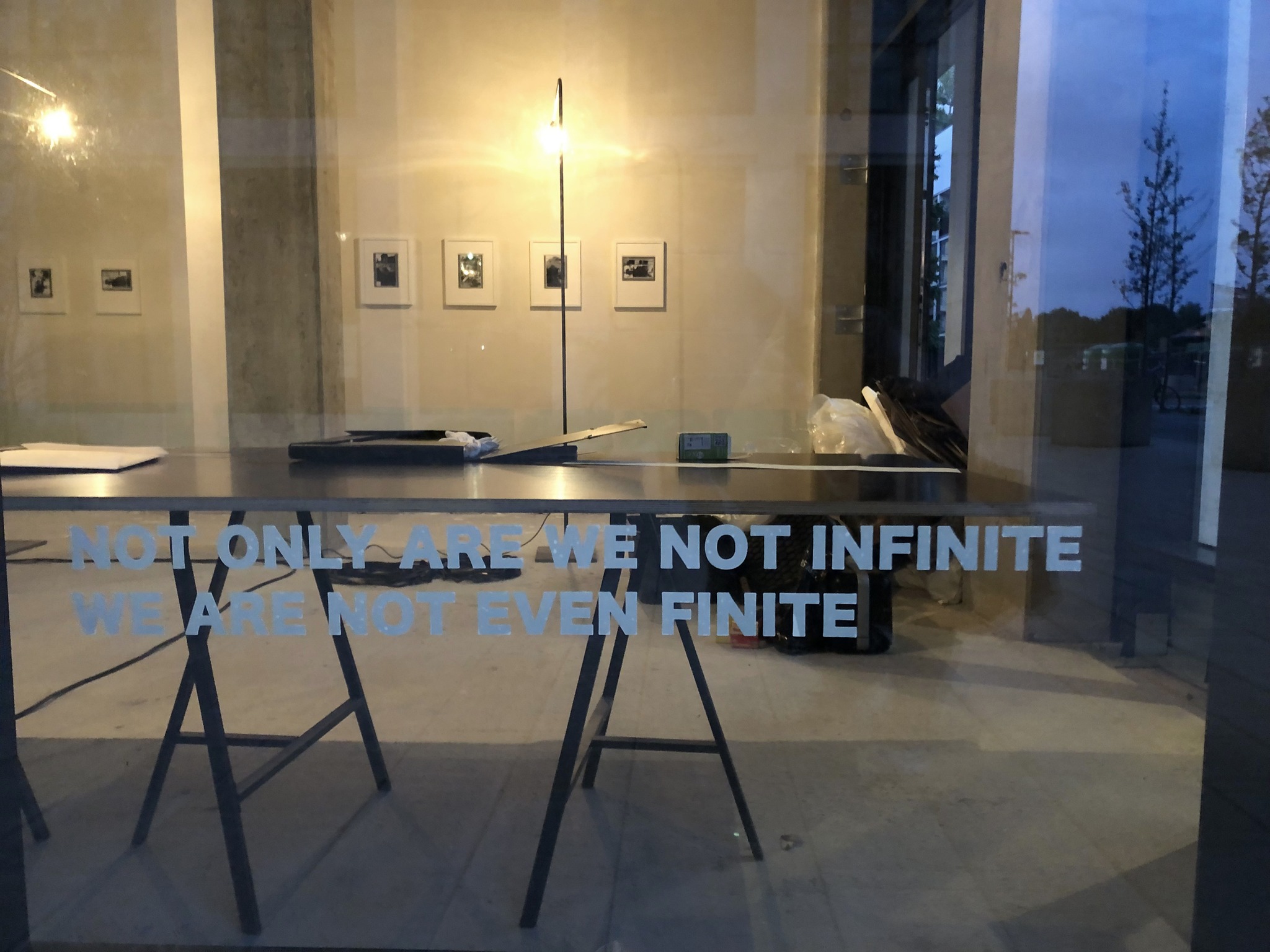
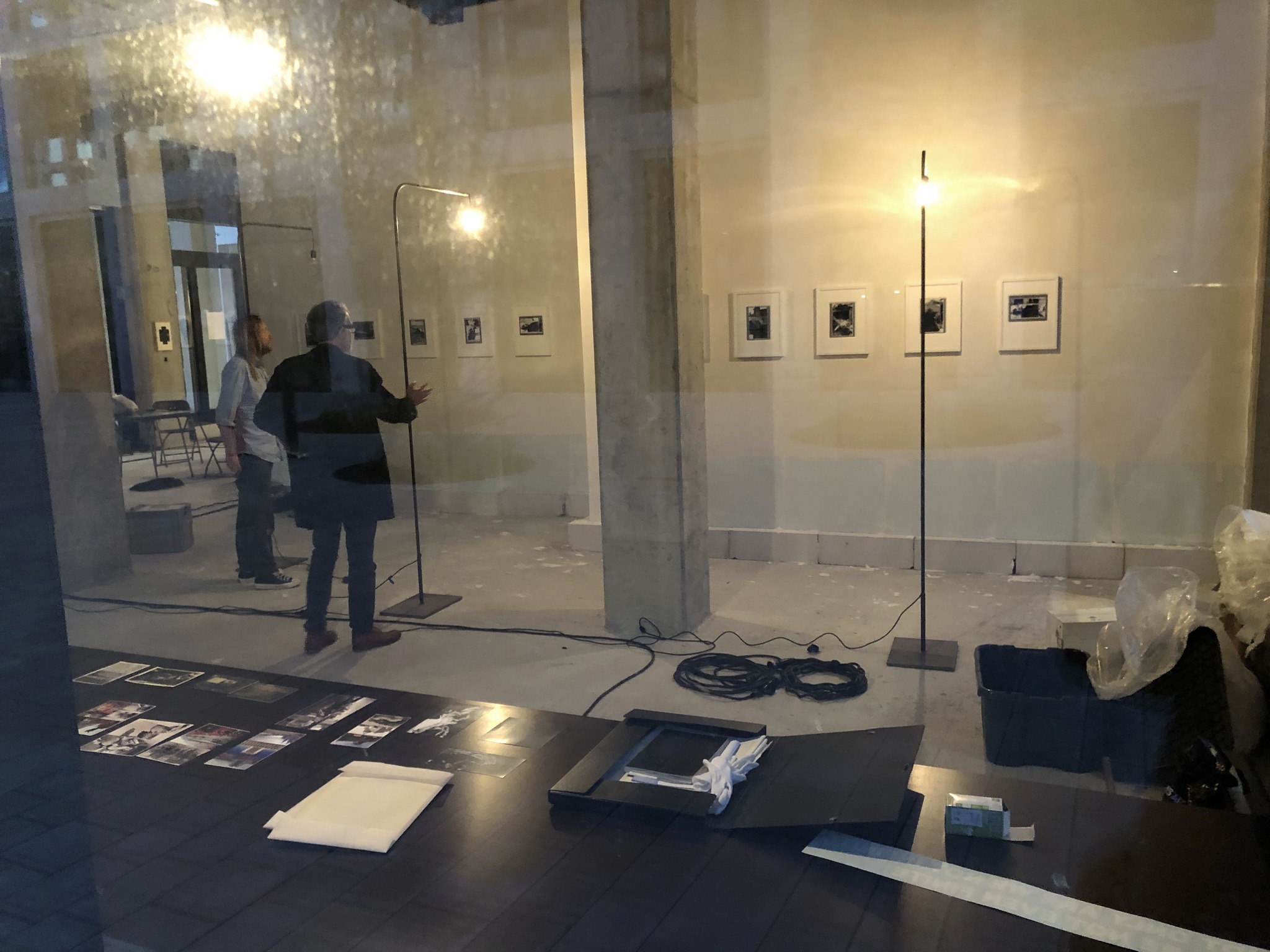
Last preparations for the opening !
See you tomorrow (2 August) at 20h in the Jos Smolderenstraat 76, 2000 Antwerp
https://www.graindelavoix.be/.../summer-festival-not-only...

Soundcheck and radio balance in the cathedral!
Rehearsing Antwerp cathedral polyphony by Georges de la Hèle and Jacob Obrecht.
Listen tonight at 21h live to our Ex Nihilo concert from the festival in Swidnica (Poland) through this link !
With Teodora Tommasi, Florencia Menconi, Andrew Hallock, André Pérez, Albert Riera, Marius Peterson, Tomás Maxé, Arnout Malfliet & Björn Schmelzer
https://www.polskieradio.pl/.../3558283,capella...


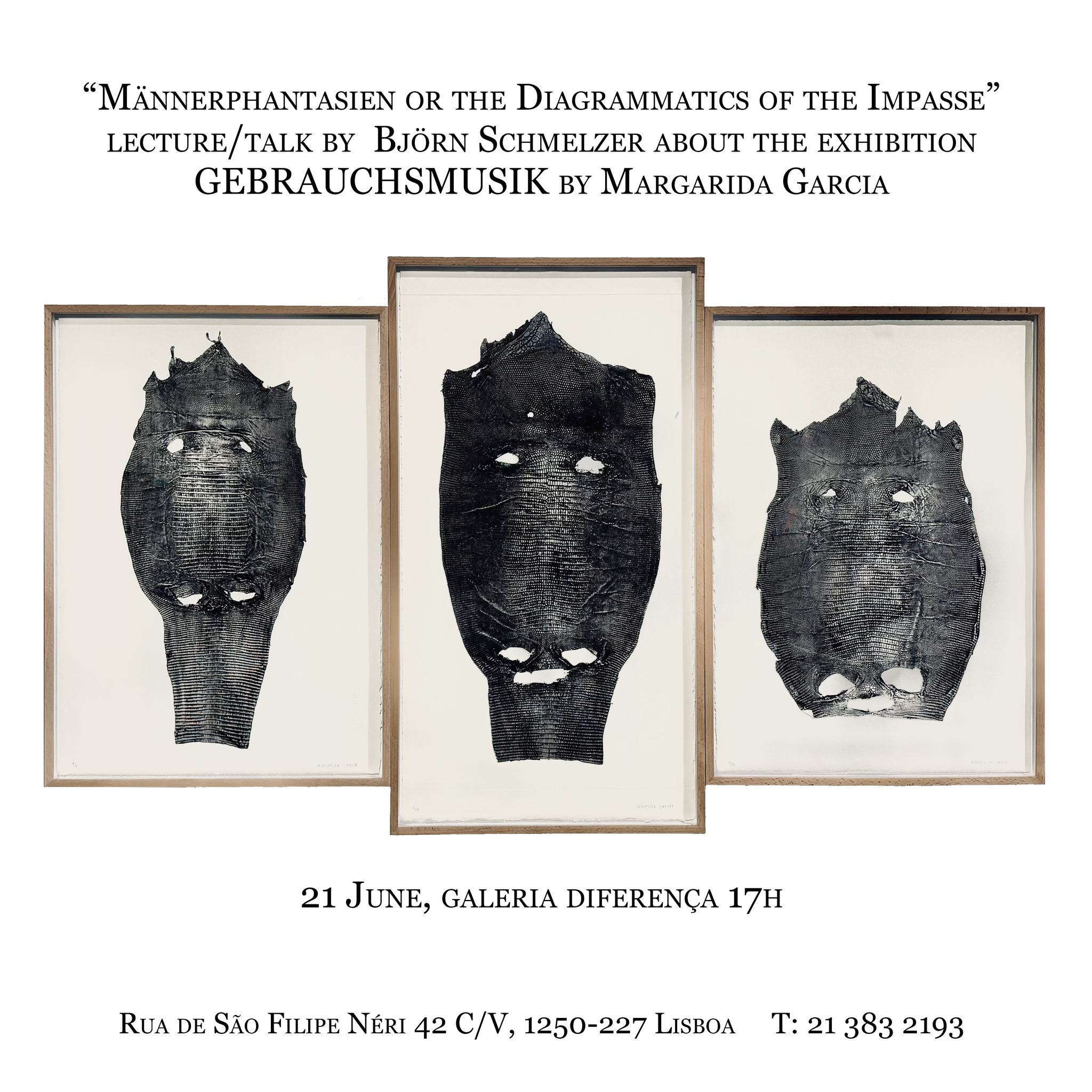
This Saturday, 21 June, Björn Schmelzer will give a talk about the visual work of Margarida Garcia, long term partner in crime, on the occasion of her exhibition GEBRAUCHSMUSIK.
It's at 17h at Galeria Diferença in Lisbon.
If you are around, join us!
https://galeriadiferenca.com/margarida-garcia.../
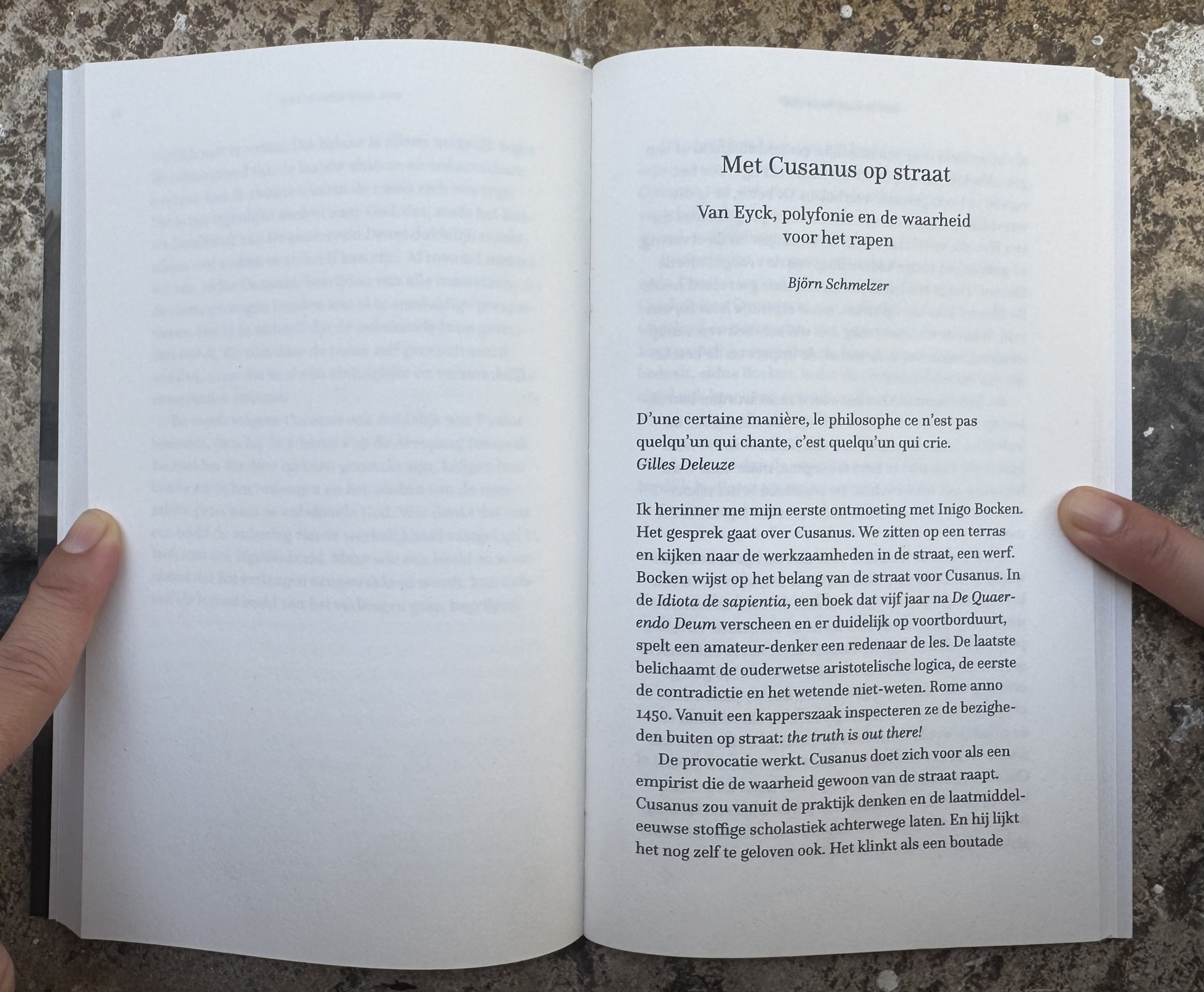
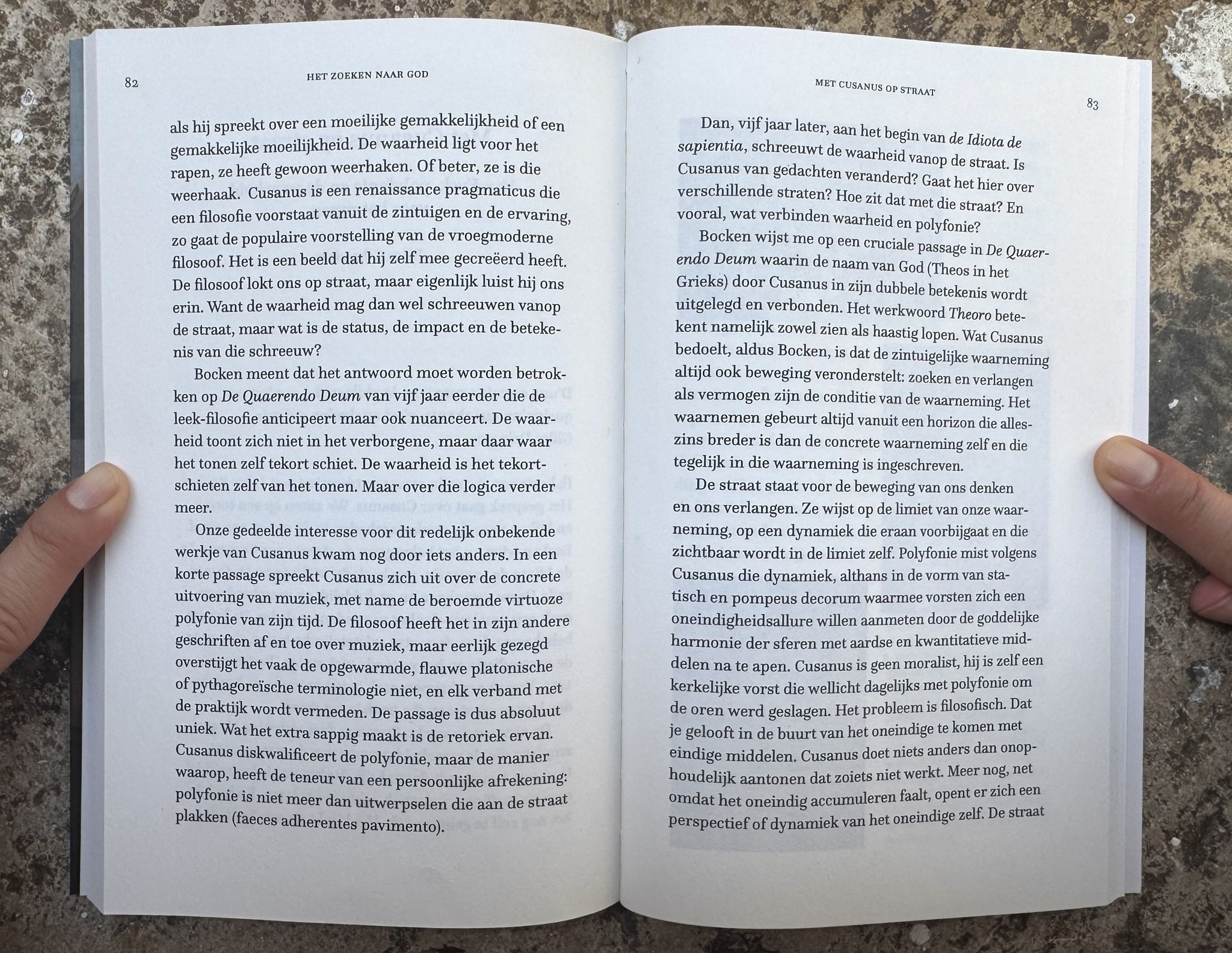
Björn Schmelzer schreef een essay bij de nieuwe Cusanusvertaling van Inigo Bocken:
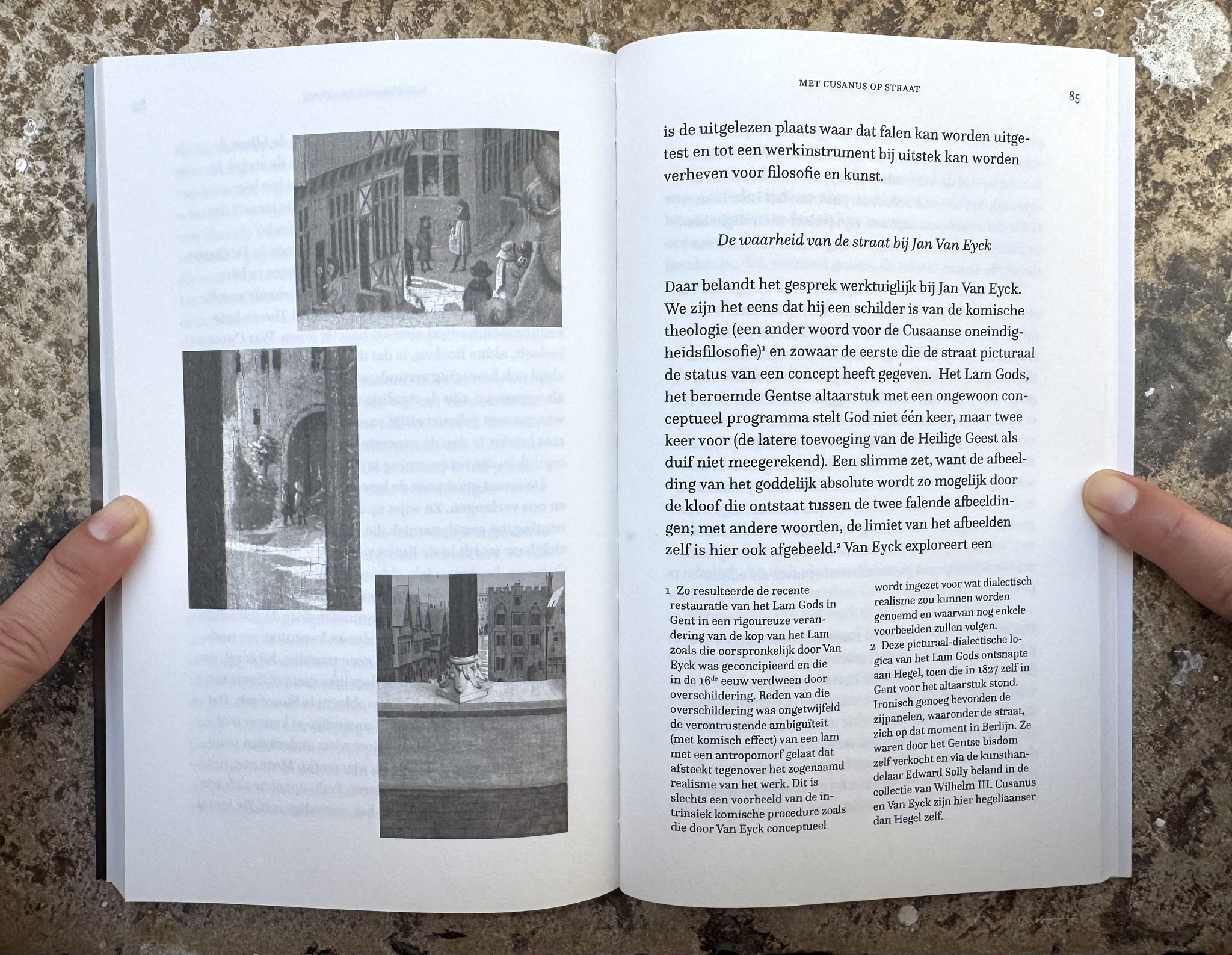
"Met Cusanus op straat - Van Eyck, polyfonie en de waarheid voor het rapen."
Uitgegeven door Sjibbolet Amsterdam en te krijgen in elke boekhandel in Nederland en Vlaanderen:
https://uitgeverijsjibbolet.nl/op-komst-nicolaas-van.../
Naar aanleiding van het Deventer evenement in februari 2024 rond Cusanus & de polyfonie, vertaalde Inigo Bocken De Quaerendo Deum (Het zoeken naar God) in het Nederlands. Het boek wordt uitgegeven door de eigenzinnige uitgeverij Sjibbolet uit Amsterdam.
Het korte traktaat van Cusanus handelt over de zintuigen en het verstand en hun rol in de zoektocht naar het absolute en het oneindige.
Het is in die context dat Cusanus onverwacht scherp uithaalt naar de polyfonie en haar in het licht van het absolute vergelijkt met uitwerpselen die aan de straat vastkleven. Uiteraard is dit een kolfje naar de hand van Björn Schmelzer die gefascineerd geraakte door deze passage en in een uitgebreid essay aantoont dat er bij Cusanus geen morele of esthetische veroordeling van de polyfonie mee gemoeid is, zoals dat toen schering en inslag was (bijvoorbeeld bij Thomas a Kempis en de Moderne Devotie). Het is net omdat polyfonie zich vaak een allure van valse oneindigheid (bijvoorbeeld als harmonie van de sferen) aanmeet dat ze tekort schiet. Maar net deze kritiek is zinvol en opent het perspectief voor een toekomstige cusaanse musicologie.
Wie meer wil weten, kan het nieuwe boek vinden in elke betere boekhandel! En wie denkt dat het te zwaar op de hand is, met zijn 111 pagina’s is het de perfecte zomerlectuur evenals de beste voorbereiding voor de zomerschool!
https://uitgeverijsjibbolet.nl/op-komst-nicolaas-van-cusa-het-zoeken-naar-god/
Following the Deventer event in February 2024 around Cusanus & polyphony, Inigo Bocken translated De Quaerendo Deum (The search for God) into Dutch. The book is published by the idiosyncratic publisher Sjibbolet from Amsterdam. Cusanus' short treatise deals with the senses and Understanding and their role in the search for the absolute and the infinite. It is in this context that Cusanus unexpectedly takes a sharp swipe at polyphony and compares it, in the light of the absolute, to excrement that sticks to the street. Of course, this is right up Björn Schmelzer’s alley, who was fascinated by this passage and who demonstrates in an extensive essay that Cusanus is not concerned with a moral or aesthetic condemnation of polyphony, as was the norm at the time (for example in Thomas a Kempis and the Modern Devotion). It is precisely because polyphony often assumes an allure of false infinity (for example as harmony of the spheres) that it falls short. But it is precisely this criticism that is meaningful and opens up the perspective for a future Cusan musicology. Anyone who wants to know more can find the new book in any good bookshop in Flanders or the Netherlands! And anyone who thinks the subject is too heavy-handed, with its 111 pages the book is perfect to impress at the swimming pool and a great preparation for the Summer School!
https://uitgeverijsjibbolet.nl/op-komst-nicolaas-van-cusa-het-zoeken-naar-god/

Johan Geerts nodigde Björn Schmelzer uit op zijn podcast "De Uil van Minerva" om te praten over graindelavoix en veel meer, met speciale focus op het graindelavoix zomerfestival "Not Only Are We Not Infinite We Are Not Even Finite". Het werd een geanimeerd gesprek; veel dank, Johan!
https://open.spotify.com/episode/3nfNLPdF4sediO7HAcqSaV
Preparing for Brumel’s Earthquake Mass in Graz tonight at 19h! Excited to perform this program once again after almost 2 years!
Florencia Menconi, Teodora Tommasi, Albert Riera, Andrew Hallock, Andrés Miravete, Marius Peterson, Arnout Malfliet, Tomàs Maxé, Berlinde Deman, Lluis Coll, Manuel Mota, Pierre-Antoine Tremblay, Antoine Morisot, Dominik Boiy, Björn Schmelzer
https://styriarte.com/en/productions/rolling-stone
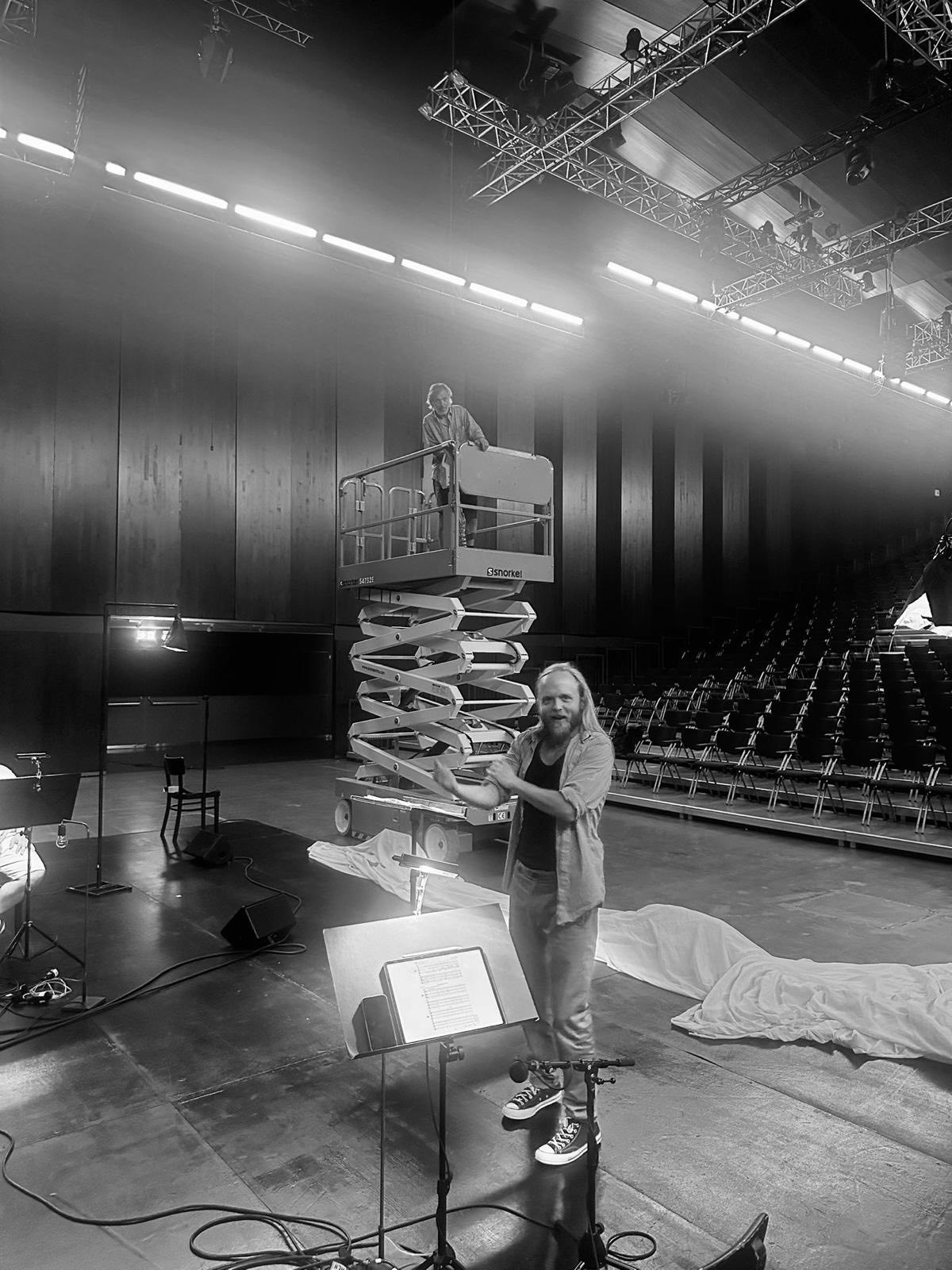
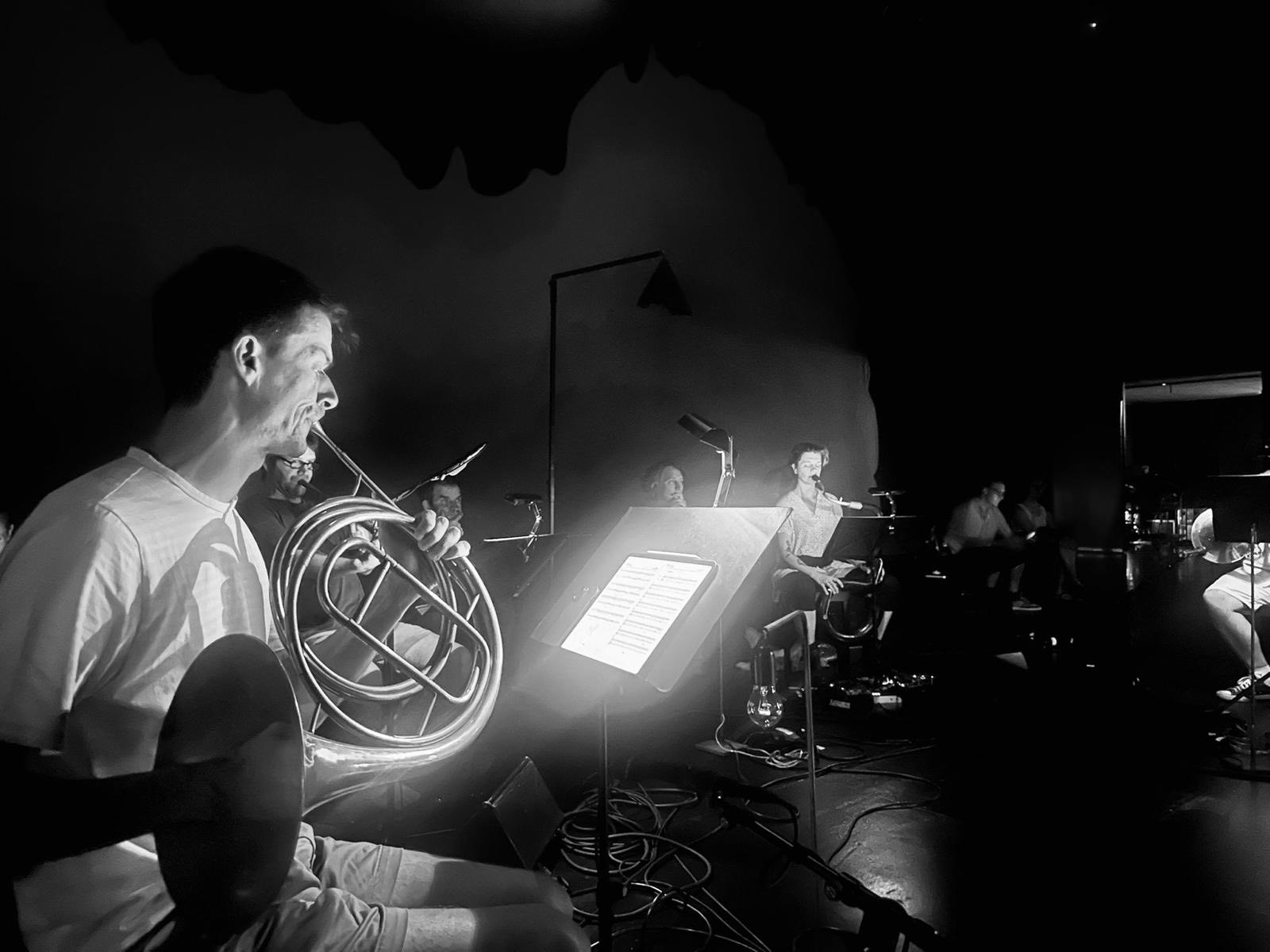
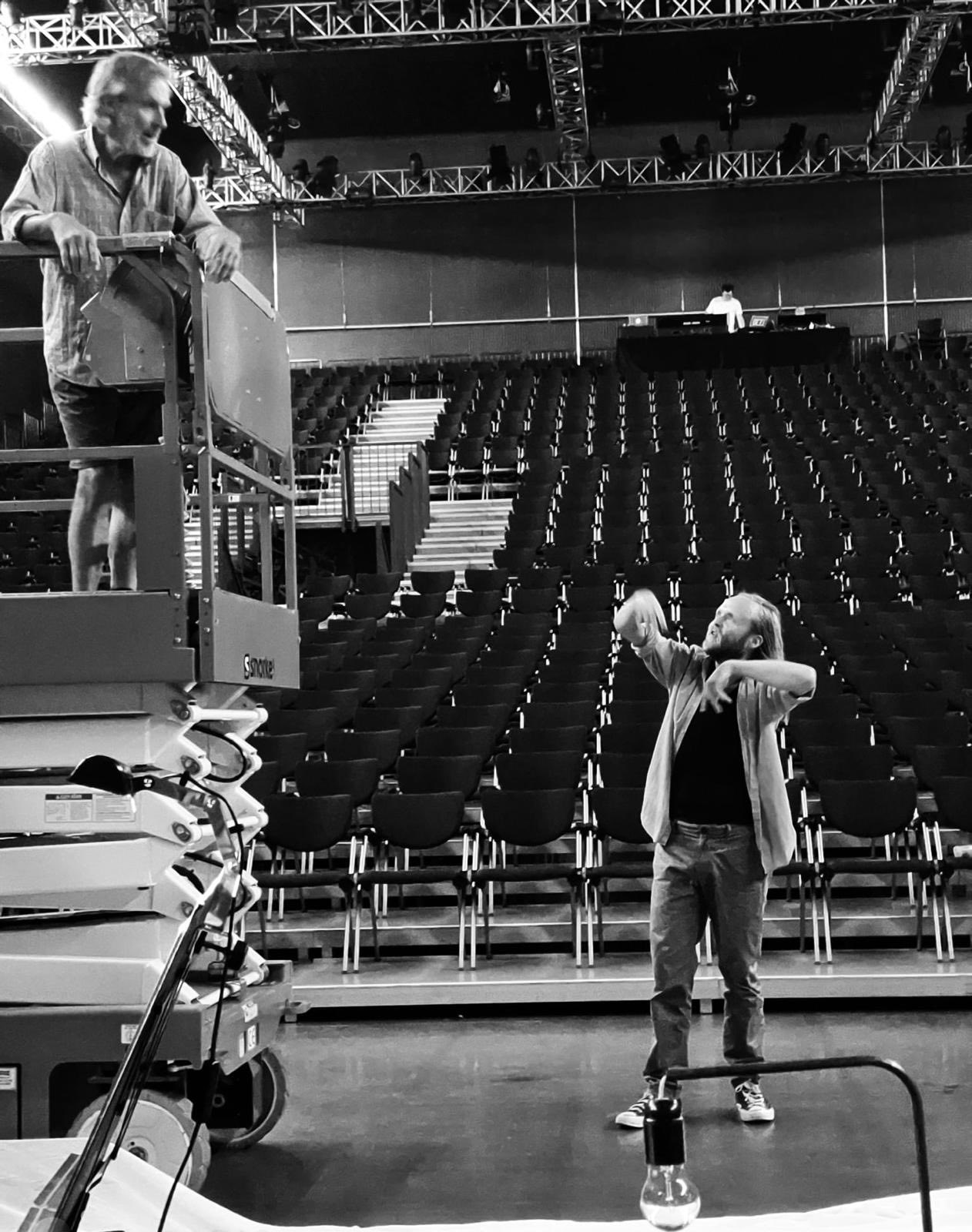
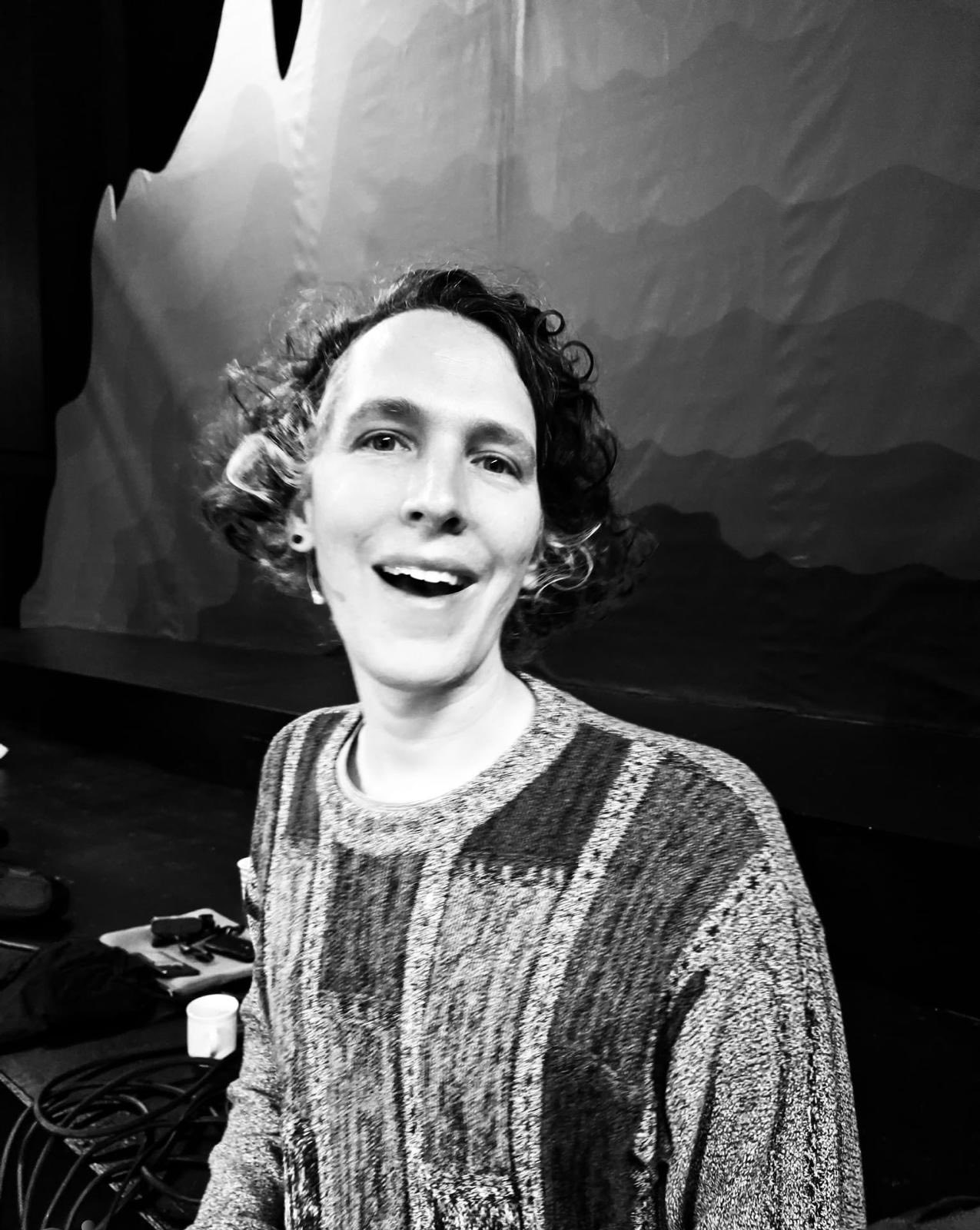

18 till 20 August 2025 in Antwerpen (Belgium)
Nicholas of Cusa, the Arts and Polyphony : Working Through a Productive Non-Relation
"I saw myself as arriving in the back of an author and giving him a child that would be his own offspring, yet monstrous. It was really important for it to be his own child, because the author had to actually say all I had him saying. But the child was bound to be monstrous too, because it resulted from all sorts of shifting, slipping, breakages, and hidden emissions that I really enjoyed.” (Gilles Deleuze)
ABOUT
Cusanus is one of the most exciting and eccentric thinkers of the late Middle Ages bridging Neoplatonism and German Idealism. We explore the specificity of Cusanus' dialectical theology (which is his philosophy) that makes him radically modern, in order to explore this dimension in polyphony and other arts as well. Cusanus never theorized polyphony or the arts in a direct way. There seems not to exist any aesthetic theory or thinking about polyphony and the arts from that time. Nevertheless, polyphony and arts are dramatic structures of thinking. Polyphony as a practice is performed based on a totally quantified diagrammatic writing. However, they were considered “mechanical" arts and lacking a stable form on which to constitute thinking.
The unthought dramaturgy of aesthetic dialectics revealed in polyphony and visual arts resonates surprisingly with Cusa’s own thought.
Polyphony and the arts are the symptom of Nicholas of Cusa. We will explore the short-circuit between Cusanus and the arts and problematize historicist approaches as well.
WHAT
The seminar-sessions (one in the morning and two in the afternoon) will be lead by Björn Schmelzer, joined by Luís Neiva (Nova University Lisbon / Spirit is a Bone) and by Cusanus expert Inigo Bocken (Universities of Nijmegen and Leuven), with an intervention by Andrew Hallock (singer of Graindelavoix).
Bocken and Schmelzer are currently working on a book on the topic. Their research will provide the framework for the three days.
On 19 August the sessions will be interspersed with polyphonic performances as examples and study materials by four singers of Graindelavoix (Andrew Hallock, Albert Riera, Marius Peterson, Arnout Malfliet) engaged in the Cusanus project.
FOR WHOM
We welcome all students, researchers, scholars, artists and all interested folks in the domains of the arts, music, philosophy, art history, theology, anthropology and musicology a.o. to join us and think together!
The sessions will be in English.
PRACTICAL
The Cusanus Summer School takes place at Jos Smolderenstraat 76, 2000 Antwerpen (Nieuw-Zuid) on 18, 19 and 20 August 2025, from 11h till 18h.
Joining the Cusanus Summer School for three days : 50 euro (separate day: 20 euro)
Inscription: katrijn@graindelavoix.be
Information: info@graindelavoix.be
The Cusanus Summer School is a collaboration between Graindelavoix (Antwerpen) and Spirit is a Bone (Lisbon) and part of the Antwerp Summer Festival “Not Only Are We Not Infinite, We are Not Even Finite."
AANKONDIGING CUSANUS ZOMERSCHOOL: 18 tot en met 20 augustus 2025 in AntwerpenNicolaas van Cusa, de kunsten en polyfonie: de doorwerking van een productieve non-relatie."I saw myself as arriving in the back of an author and giving him a child that would be his own offspring, yet monstrous. It was really important for it to be his own child, because the author had to actually say all I had him saying. But the child was bound to be monstrous too, because it resulted from all sorts of shifting, slipping, breakages, and hidden emissions that I really enjoyed.” (Gilles Deleuze)
WAT
Cusanus is een van de meest opwindende en excentrieke denkers van de late middeleeuwen, die een brug slaat tussen het neoplatonisme en het Duitse idealisme.We onderzoeken de specificiteit van Cusanus' dialectische theologie (zijn filosofie) die hem radicaal modern maakt, om deze dimensie ook in polyfonie en andere kunsten te verkennen.Cusanus heeft polyfonie of de kunsten nooit rechtstreeks getheoretiseerd. Er lijkt geen esthetische theorie of denken over polyfonie en de kunsten uit die tijd te bestaan.Niettemin zijn polyfonie en de kunsten dramatische denkstructuren. Polyfonie als praktijk wordt uitgevoerd op basis van een volledig gekwantificeerde diagrammatische schriftuur. Ze werden echter beschouwd als "mechanische" kunsten en misten een stabiele vorm om het denken op te baseren.De ongedachte dramaturgie van esthetische dialectiek die zich manifesteert in polyfonie en beeldende kunsten resoneert verrassend met Cusa's eigen denken.Polyfonie en de kunsten zijn het symptoom van Nicolaas van Cusa. We zullen de kortsluiting tussen Cusanus en de kunsten onderzoeken en ook historicistische benaderingen problematiseren.HOE
De seminariesessies (één 's ochtends en twee 's middags) worden geleid door Björn Schmelzer, samen met Luís Neiva (Universidade Nova Lissabon / Spirit is a Bone) en Cusanus-expert Inigo Bocken (Universiteiten van Nijmegen en Leuven), met een interventie van Andrew Hallock (zanger bij Graindelavoix).Bocken en Schmelzer werken momenteel aan een boek over het onderwerp dat als kader dient voor de driedaagse sessies.Op 19 augustus worden de sessies afgewisseld met polyfone uitvoeringen als voorbeelden en studiemateriaal door vier zangers van Graindelavoix (Andrew Hallock, Albert Riera, Marius Peterson, Arnout Malfliet) die betrokken zijn bij het Cusanus-project. VOOR WIEWe nodigen alle studenten, onderzoekers, academici, kunstenaars en alle geïnteresseerden uit in de domeinen van kunst, muziek, filosofie, kunstgeschiedenis, theologie, antropologie en musicologie om deel te nemen en samen te denken!De sessies zijn in het Engels.PRAKTISCH
De Cusanus Zomerschool vindt plaats in de Jos Smolderenstraat 76, 2000 Antwerpen (Nieuw-Zuid) op 18, 19 en 20 augustus 2025, van 11u tot en met 18u.Deelname aan de Cusanus Summer School voor drie dagen: 50 euro (losse dag: 20 euro)Inschrijving: katrijn@graindelavoix.beInformatie: info@graindelavoix.beDe Cusanus Summer School is een samenwerking tussen Graindelavoix (Antwerpen) en Spirit is a Bone (Lissabon) en maakt deel uit van het Antwerpse Zomer Festival “Not Only Are We Not Infinite, We are Not Even Finite."
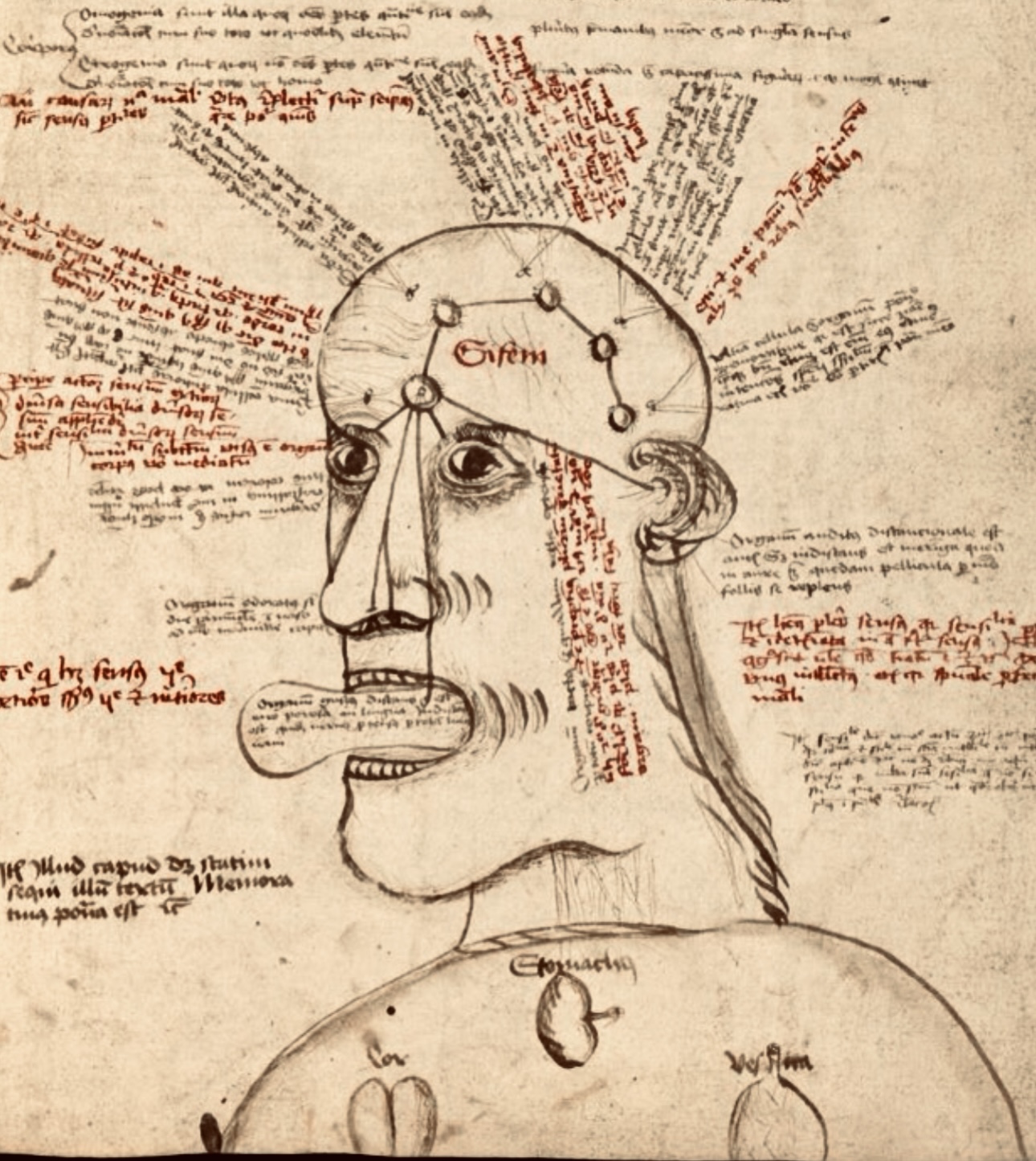
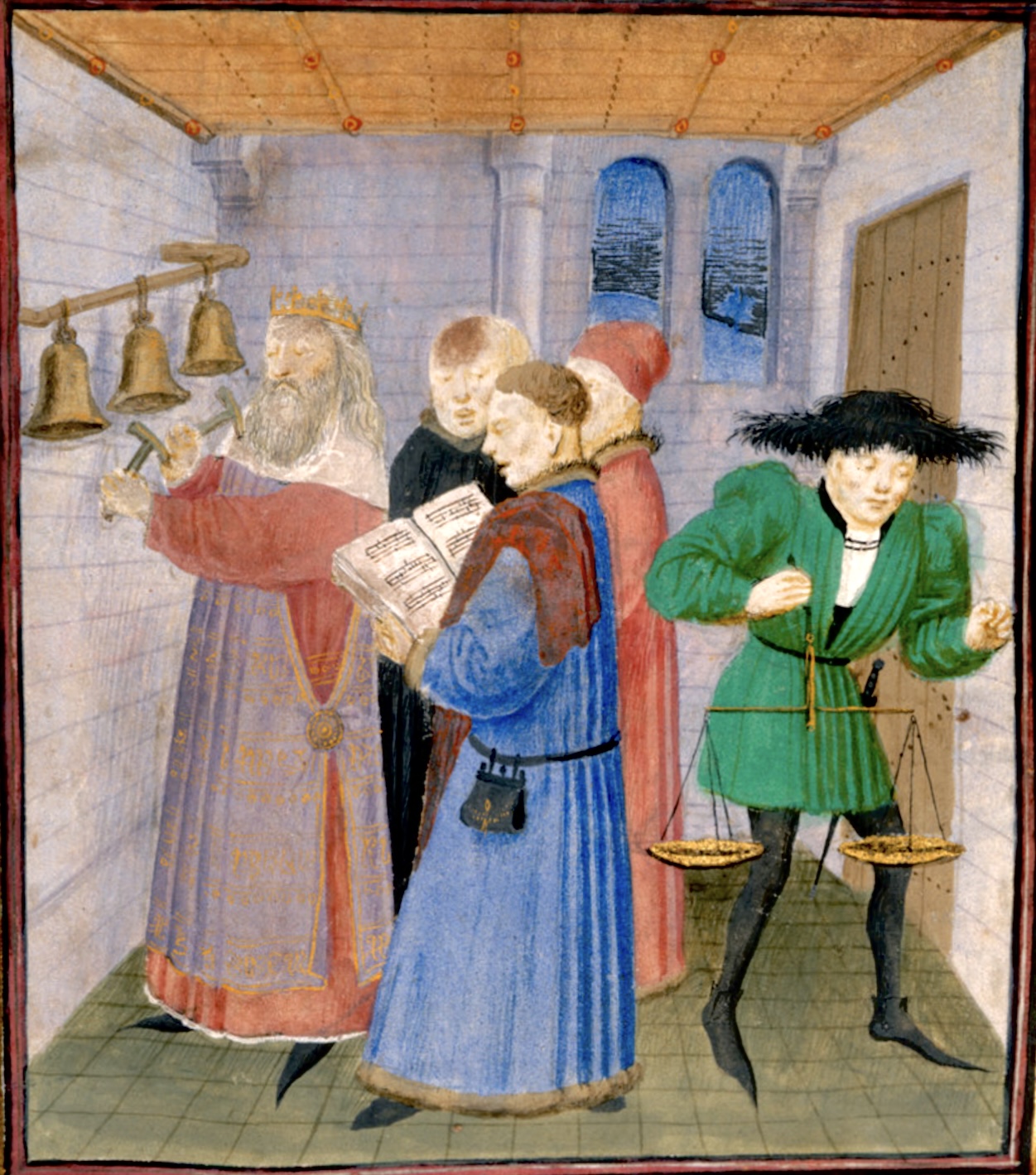

ANNOUNCEMENT CUSANUS SUMMER SCHOOL : 18 till 20 August 2025 in Antwerpen (Belgium)
Nicholas of Cusa, the Arts and Polyphony : Working Through a Productive Non-Relation
"I saw myself as arriving in the back of an author and giving him a child that would be his own offspring, yet monstrous. It was really important for it to be his own child, because the author had to actually say all I had him saying. But the child was bound to be monstrous too, because it resulted from all sorts of shifting, slipping, breakages, and hidden emissions that I really enjoyed.” (Gilles Deleuze)
ABOUT
Cusanus is one of the most exciting and eccentric thinkers of the late Middle Ages bridging Neoplatonism and German Idealism. We explore the specificity of Cusanus' dialectical theology (which is his philosophy) that makes him radically modern, in order to explore this dimension in polyphony and other arts as well. Cusanus never theorized polyphony or the arts in a direct way. There seems not to exist any aesthetic theory or thinking about polyphony and the arts from that time. Nevertheless, polyphony and arts are dramatic structures of thinking. Polyphony as a practice is performed based on a totally quantified diagrammatic writing. However, they were considered “mechanical" arts and lacking a stable form on which to constitute thinking.
The unthought dramaturgy of aesthetic dialectics revealed in polyphony and visual arts resonates surprisingly with Cusa’s own thought.
Polyphony and the arts are the symptom of Nicholas of Cusa. We will explore the short-circuit between Cusanus and the arts and problematize historicist approaches as well.
WHAT
The seminar-sessions (one in the morning and two in the afternoon) will be lead by Björn Schmelzer, joined by Luís Neiva (Nova University Lisbon / Spirit is a Bone) and by Cusanus expert Inigo Bocken (Universities of Nijmegen and Leuven)
Bocken and Schmelzer are currently working on a book on the topic. Their research will provide the framework for the three days.
On 19 August the sessions will be interspersed with polyphonic performances as examples and study materials by four singers of Graindelavoix (Andrew Hallock, Albert Riera, Marius Peterson, Arnout Malfliet) engaged in the Cusanus project.
FOR WHOM?
We welcome all students, researchers, scholars, artists and all interested folks in the domains of the arts, music, philosophy, art history, theology, anthropology and musicology a.o. to join us and think together!
The sessions will be in English.
PRACTICAL
The Cusanus Summer School takes place at Jos Smolderenstraat 76, 2000 Antwerpen (Nieuw-Zuid) on 18, 19 and 20 August 2025, from 11h till 18h.
Joining the Cusanus Summer School for three days : 50 euro (separate day: 20 euro)
Inscription: katrijn@graindelavoix.be
Information: info@graindelavoix.be
The Cusanus Summer School is a collaboration between Graindelavoix (Antwerpen) and Spirit is a Bone (Lisbon) and part of the Antwerp Summer Festival “Not Only Are We Not Infinite, We are Not Even Finite."
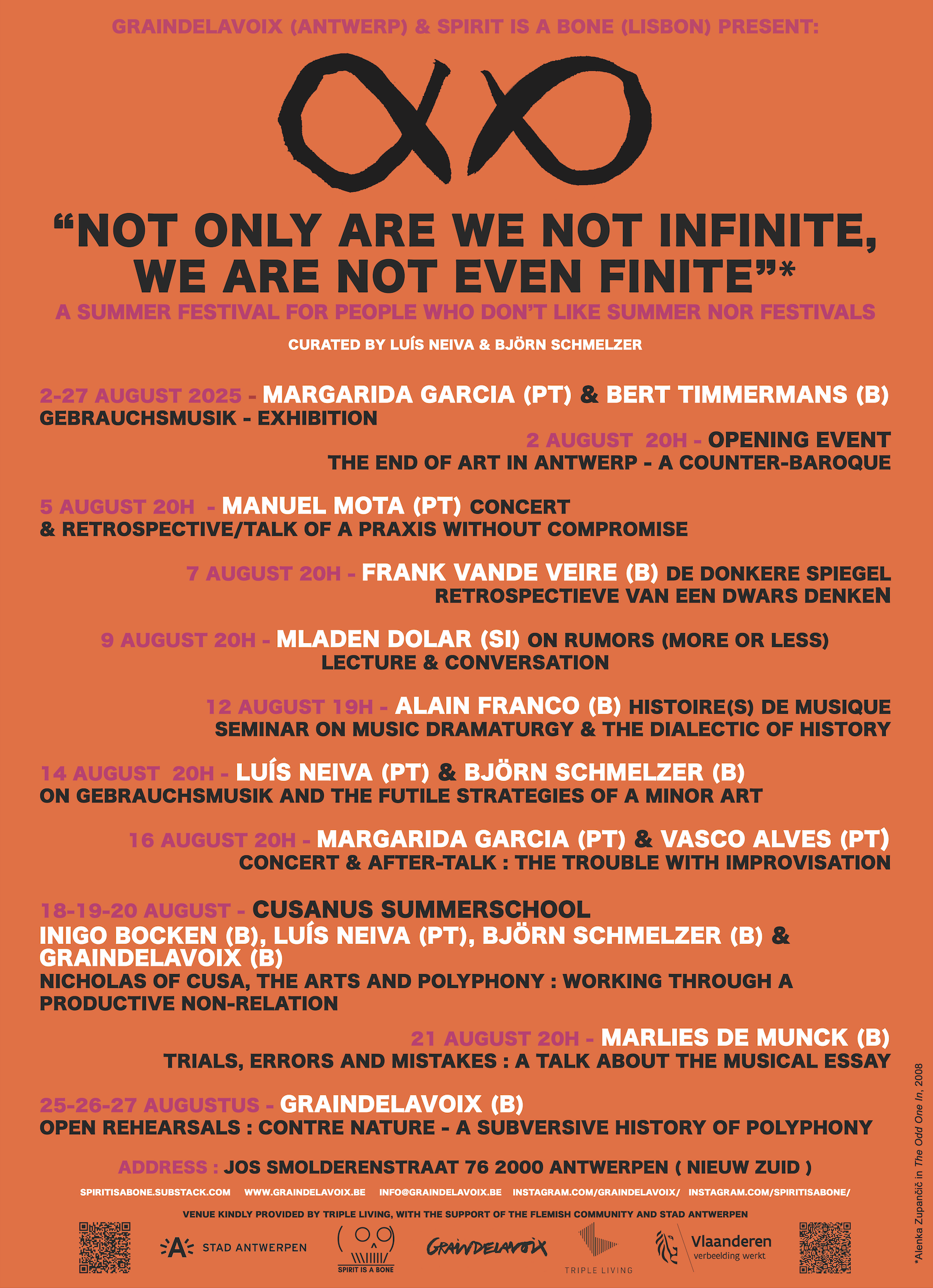
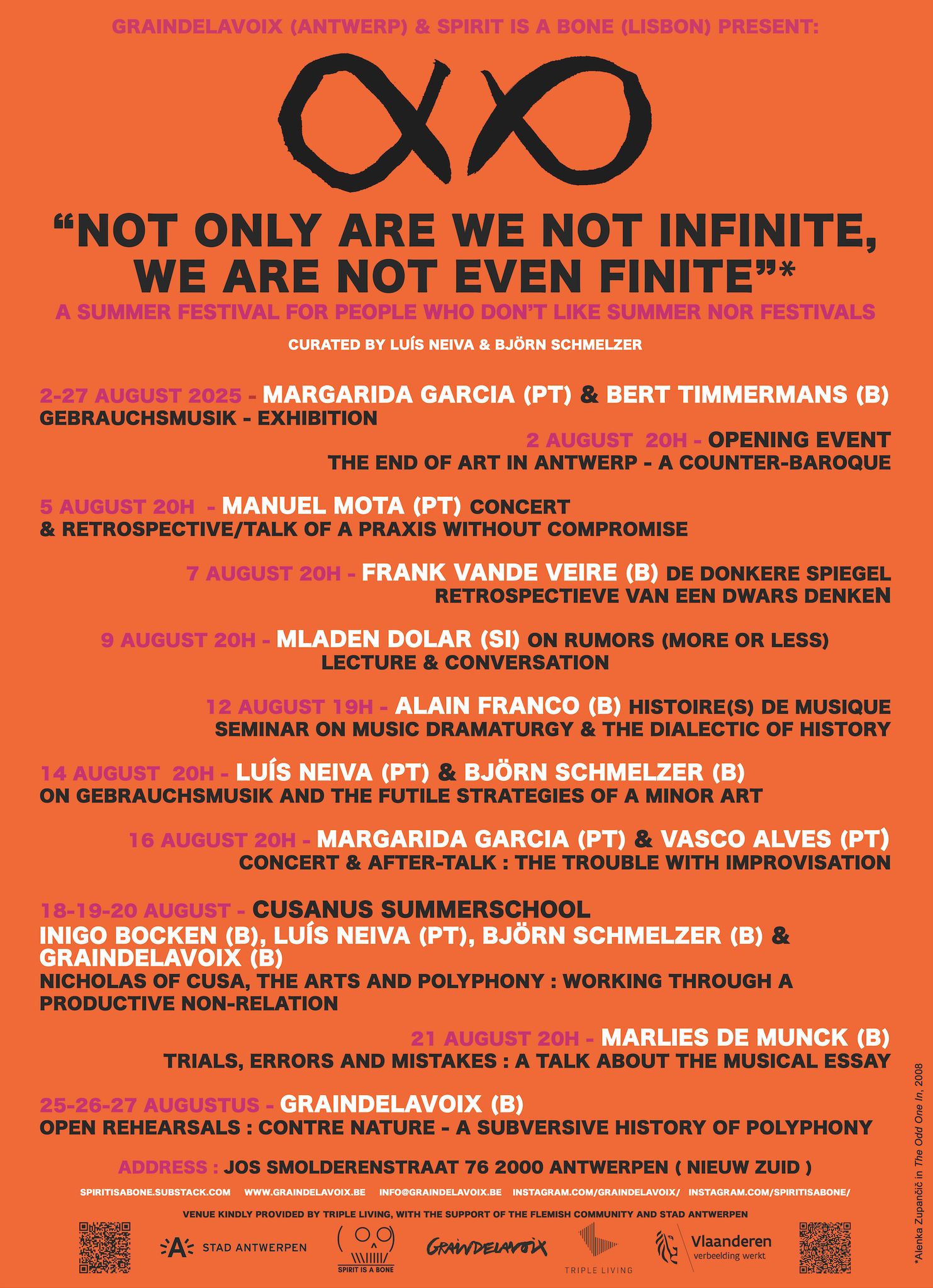
"Not Only Are We Not Infinite We Are Not Even Finite” (A Summer Festival for people who don’t like summers nor festivals) is a monthlong festival focused on music, philosophy and art.
This unique festival offers concerts of experimental and classical music, exhibitions, films, a summer school and many enthralling lectures and conversations on art, film, music, philosophy, history, and ideology.
The festival is organised by Antwerp art ensemble Graindelavoix and Lisbon cultural association Spirit is a Bone and curated by Björn Schmelzer & Luís Neiva.
The first edition in August 2025 will be held in a large space of the Nieuw-Zuid quarter in Antwerp (Jos Smolderenstraat 76) and features the artists Margarida Garcia and Bert Timmermans, musicians Manuel Mota, Vasco Alves, Alain Franco and philosophers Marlies De Munck, Frank Vande Veire and Mladen Dolar. The Cusanus Summer school will be directed by Inigo Bocken, Luís Neiva and Björn Schmelzer. The festival ends with a three days residency of Graindelavoix working on the première of a new program. The festival kicks off August 2nd and ends on August 27 2025.
"Not Only Are We Not Infinite We Are Not Even Finite” (A Summer Festival for people who don’t like summers nor festivals) is een maand lang festival in Antwerpen in augustus 2025.
Dit unieke festival biedt concerten met experimentele en klassieke muziek, tentoonstellingen, films, een zomerschool en vele boeiende lezingen en gesprekken over kunst, film, muziek, filosofie, geschiedenis en ideologie.
Het festival wordt georganiseerd door het Antwerpse gezelschap Graindelavoix en de culturele vereniging Spirit is a Bone uit Lissabon, en wordt gecureerd door Björn Schmelzer & Luís Neiva.
De eerste editie in augustus 2025 vindt plaats in een grote ruimte in Nieuw-Zuid in Antwerpen (Jos Smolderenstraat 76) en bevat de kunstenaars Margarida Garcia en Bert Timmermans, de muzikanten Manuel Mota, Vasco Alves, Alain Franco en de filosofen Marlies De Munck, Frank Vande Veire en Mladen Dolar. De Cusanus Summerschool staat onder leiding van Inigo Bocken, Luís Neiva en Björn Schmelzer. Het festival wordt afgesloten met een driedaagse residentie van Graindelavoix, die werkt aan de première van een nieuw programma. Het festival start op 2 augustus en eindigt op 27 augustus 2025.


GEBRAUCHSMUSIK is the ironic title that brings together recent work by Portuguese artist Margarida Garcia (Lisbon 1977) and Belgian artist Bert Timmermans (Kapellen 1976). Timmermans is showing his new series “Die Ruckkehr Arno Brekers. Apologien für den leckenden Körper”, while Garcia is exhibiting her “Balaclava” and “Modellbau” series in Belgium for the first time. Both artists are long-term partners-in-crime of Graindelavoix and Björn Schmelzer, who curates the exhibition. Although seemingly very different, this exhibition mainly reveals similar artistic strategies and resonances in the way in which the history of image and ideology is recycled and sabotaged.
On August 14 at 8 p.m., Luís Neiva (Spirit is a Bone) & Björn Schmelzer (Graindelavoix) will discuss the exhibition in more detail followed by a conversation with the artists.
Open on 2, 5, 7, 9, 12, 14, 16, 18-20, 21, 25-27 August 2025
Jos Smolderenstraat 76 2000 Antwerp (Nieuw-Zuid)
GEBRAUCHSMUSIK is de ironische titel die recent werk samenbrengt van de Portugese kunstenares Margarida Garcia (Lissabon 1977) en de Belgische kunstenaar Bert Timmermans (Kapellen 1976). Timmermans toont zijn nieuwe reeks “Die Ruckkehr Arno Brekers. Apologien für den leckenden Körper”, terwijl Garcia voor het eerst in België exposeert met de reeksen “Balaclava” en “Modellbau”. Beide kunstenaars zijn longterm partners-in-crime van Graindelavoix en Björn Schmelzer die de expo curateert, Hoewel ogenschijnlijk erg verschillend toont deze expo vooral gelijklopende artistieke strategieën en resonanties in de manier waarop de geschiedenis van beeld en ideologie wordt gerecycleerd en gesaboteerd.
Op 14 augustus om 20h gaan Luís Neiva (Spirit is a Bone) & Björn Schmelzer (Graindelavoix) dieper in op de expo en volgt een conversatie met de kunstenaars.
Open op 2, 5, 7, 9, 12, 14, 16, 18-20, 21, 25-27 Augustus 2025
Jos Smolderenstraat 76 2000 Antwerpen (Nieuw-Zuid)

Opening celebration and presentation of the Summer Festival NOT ONLY ARE WE NOT INFINITE WE ARE NOT EVEN FINITE. This unique festival offers concerts of experimental and classical music, exhibitions and many enthralling lectures and conversations on art, film, music, philosophy, history, and ideology. The evening opens with GEBRAUCHSMUSIK, an exhibition featuring new work by Portuguese artist Margarida Garcia and Antwerp artist Bert Timmermans.
Especially for the opening, Margarida Garcia, Bert Timmermans, and Björn Schmelzer also designed a "work table" that maps the virtual traces of an Antwerp counter-baroque. The work is presented with a conversation about iconoclasm, empty space, blindness, "grey in grey," and the "weight of all flesh" (Eric Santner).
Free entrance with optional donation
Address : Jos Smolderenstraat 76 2000 Antwerpen (Nieuw-Zuid)
Openingsfeest en presentatie van het Zomerfestival NOT ONLY ARE WE NOT INFINITE WE ARE NOT EVEN FINITE
Het unieke festival biedt concerten met experimentele en klassieke muziek, een tentoonstelling en vele, boeiende lezingen en gesprekken over kunst, film, muziek, filosofie, geschiedenis en ideologie.
De avond opent met GEBRAUCHSMUSIK, een tentoonstelling met nieuw werk van de Portugese artieste Margarida Garcia en de Antwerpse kunstenaar Bert Timmermans.
Speciaal voor de opening ontwierpen Margarida Garcia, Bert Timmermans en Björn Schmelzer verder ook een werktafel die de virtuele sporen van een Antwerpse tegen-barok in kaart brengt. Het werk wordt voorgesteld met een gesprek over iconoclasme, lege ruimte, blindheid, “grijs op grijs” en de “weight of all flesh” (Eric Santner).
Vrije inkom met optionele gift
Adres : Jos Smolderenstraat 76 2000 Antwerpen(Nieuw-Zuid)

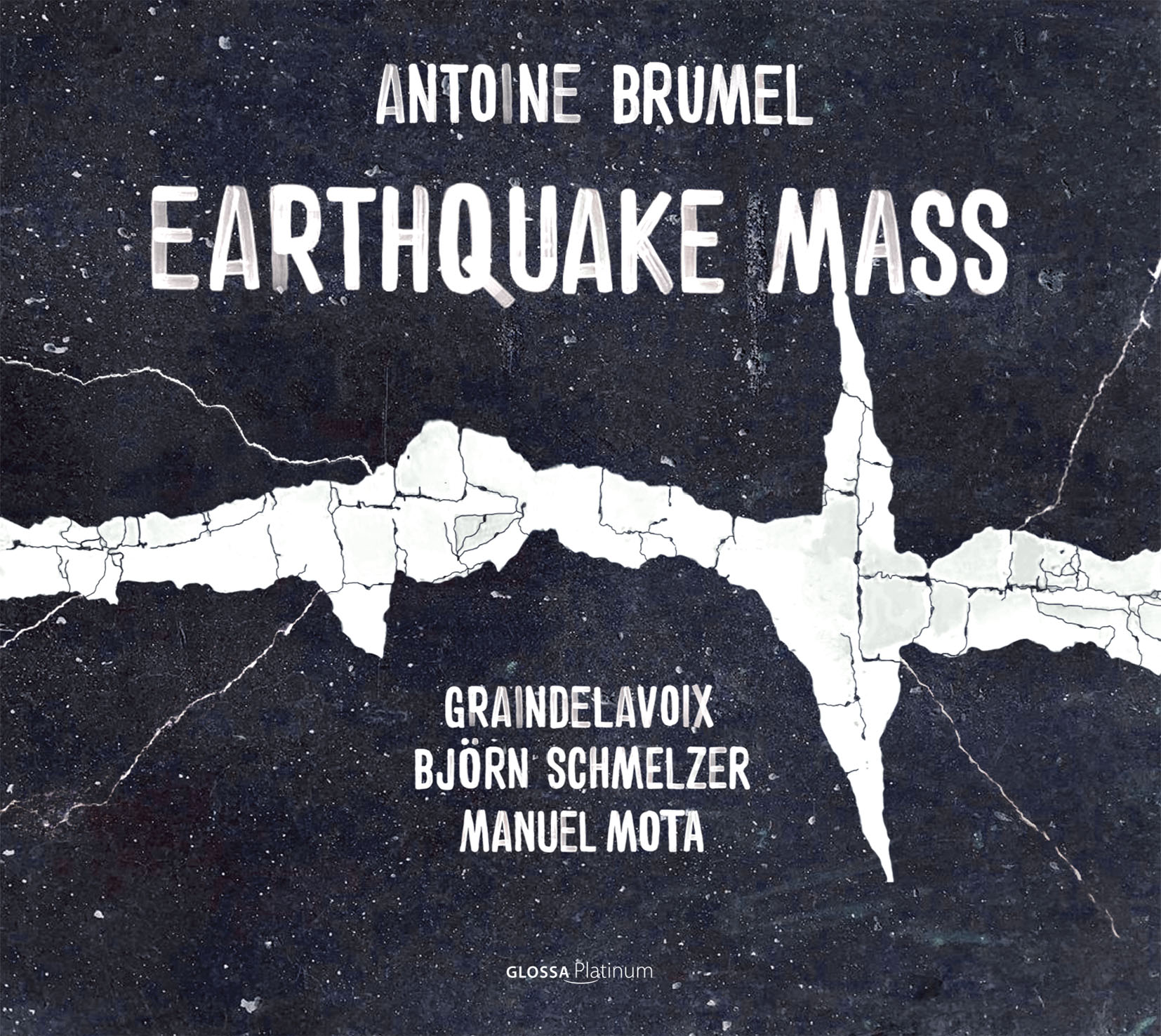
Manuel Mota (Lisbon, 1970) takes up a totally unique position in the world of post-free-jazz-improvisation. His practice and performance is at the same time a deepening and deconstruction of this tradition, continuously inventing new small moves and gestures from within. It comes as no surprise that the late Derek Bailey spoke so highly of his work. Mota has an impressively large recording output (some of which can be accessed through the label Headlights Recordings that he founded in 1998). However, he is foremost a musician one needs to hear live to fully experience the singular allure of his music and his idiosyncratic playing with climate and suspense, putting them in new relations differently during each performance. Mota features also prominently on one of Graindelavoix’s latest programs and CD recordings: Brumel’s Earthquake Mass.
The concert is followed by a talk-retrospective of Mota’s practice and output, interspersed with many sound examples (from released and unreleased recordings) and commented upon by Björn Schmelzer and Margarida Garcia.
Free entrance with optional donation
Address : Jos Smolderenstraat 76 2000 Antwerpen (Nieuw-Zuid)
Manuel Mota (Lissabon, 1970) neemt een volstrekt unieke positie in binnen de wereld van post-freejazz-improvisatie. Zijn praktijk en optredens zijn tegelijkertijd een verdieping en deconstructie van deze traditie, die hij voortdurend verrijkt met nieuwe, kleine bewegingen en gestes van binnenuit. Het is dan ook geen verrassing dat gitaarlegende Derek Bailey zo lovend over zijn werk sprak. Mota heeft een indrukwekkend aantal opnames op zijn palmares (waarvan sommige kunnen worden beluisterd op het label Headlights Recordings dat hij in 1998 oprichtte). Mota is echter vooral een muzikant die je live moet horen om de unieke aantrekkingskracht van zijn muziek en zijn eigenzinnige spel met klimaat en suspensie ten volle te ervaren, parameters die hij bij elk optreden in een andere relatie plaatst. Mota is ook prominent aanwezig op een van Graindelavoix' nieuwste programma's en cd-opnames: Brumels Earthquake Mass. Na het concert volgt een talk/retrospectieve van Mota's praktijk en werk, afgewisseld met talloze geluidsvoorbeelden (zowel uitgebrachte als onuitgebrachte opnames) en van commentaar en duiding voorzien door Björn Schmelzer en Margarida Garcia.
Vrije inkom met optionele gift
Address : Jos Smolderenstraat 76 2000 Antwerpen (Nieuw-Zuid)

Frank Vande Veire is Vlaanderens weerbarstigste denker. Onder zijn moedige en subtiele pen wordt het meest banale verontrustend, het meest sublieme alledaags. Zijn denken wroet als een fileermes, onverzettelijk,tot op het bot en heeft daardoor altijd iets provocerends. Vande Veire schreef vrij recent ook twee romans, niet omdat hij die wilde schrijven, maar omdat ze zich, zoals hij zegt, aan hem opdrongen. In deze romans dreigt iedere zin te verglijden in onzin en waanzin.
Frank Vande Veire schreef essays over filosofie, beeldende kunst en literatuur. Hij ontving de Vlaamse Prijs voor Kunstkritiek en zorgde binnen de kunstwereld voor heel wat opschudding met zijn pamflet I love art, you loveart, we all love art’(2002). Bij uitgeverij het balanseer verscheen in 2013de pornografisch-filosofische roman Bloeiende Agatha. In 2022 volgde de liefdesroman Het einde van alle straten.
Vrije inkom met optionele gift
Adres : Jos Smolderenstraat 76 2000 Antwerpen (Nieuw-Zuid)
Frank Vande Veire is Flanders' most unruly thinker. Under his courageous and subtle pen, the most banal becomes disturbing, the most sublime becomes mundane. His thinking digs like a filleting knife, unyielding, to the bone, and therefore always possesses a provocative quality. Vande Veire also recently wrote two novels, not because he wanted to write them, but because, as he puts it, they forced themselves upon him. In these novels, every sentence threatens to descend into nonsense and madness. Frank Vande Veire wrote essays on philosophy, visual art, and literature. He received the Flemish Prize for Art Criticism and caused quite a stir in the art world with his pamphlet "I love art, you love art, we all love art" (2002). Het balanseer published the pornographic-philosophical novel "Bloeiende Agatha" in 2013. The romance novel "Het einde van alle straten" (The End of All Streets) followed in 2022.
The film will be with English subtitles
Free entrance with optional donation
Address : Jos Smolderenstraat 76 2000 Antwerpen (Nieuw-Zuid)


Mladen Dolar, one of today’s most important and intriguing philosophers and one of the founders of what has become known as the ‘Ljubljana Lacanian School’ together with Alenka Zupancic and Slavoj Zizek, is finally back in Antwerp!
He will talk about his new book “On Rumors”, a follow-up of his pioneering book on the voice (A Voice and Nothing More).
Rumors are not usually an object of philosophical enquiry. What can philosophy say about such trivial, frivolous and undignified phenomena as rumors, gossip, hearsay, slander, calumny? One can recall the career of Socrates, the model philosopher who at the outset of philosophy courageously promoted the proper knowledge based on logos and aiming at truth, and who was subsequently ruined by rumors which led to his trial, sentence and death.
What is the mysterious power of rumors that can defeat the resources of logos? The point is not to dwell on the history, picturesque as it is, but to address the present predicament. With the advent of mass media, culminating in the internet and the recent surge of social media, the propagation of rumors got a new swing, incomparable to anything in history by the extent, the speed and the global reach.
The consequence of this rumorization is the paradoxical upshot that the more there is information, the less knowledge can assert itself; the more there is communication, the more the social fabric threatens to fall apart.
The talk will be followed by a conversation with Björn Schmelzer linking rumors to the history and politics of voice, art and polyphony.
Free entrance with optional donation
Address : Jos Smolderenstraat 76 2000 Antwerpen (Nieuw-Zuid)
Mladen Dolar, een van de belangrijkste en meest intrigerende filosofen van dit moment en een van de grondleggers van de zogenaamde Ljubljana Lacanian School' samen met Alenka Zupancic en Slavoj Žižek, is eindelijk weer in Antwerpen!
Hij spreekt over zijn nieuwe boek "On Rumors", een gebald maar spectaculair vervolg op zijn baanbrekende boek over de stem (A Voice and Nothing More).
Geruchten zijn doorgaans geen onderwerp van filosofisch onderzoek. Wat kan filosofie zeggen over zulke triviale, frivole en onwaardige verschijnselen als geruchten, roddels, praatjes en laster? Denk aan de carrière van Socrates, de modelfilosoof die aan het begin van de filosofie moedig de ware kennis propageerde, gebaseerd op logos en waarheid, en die vervolgens ten onder ging aan geruchten die leidden tot zijn proces, veroordeling en dood.
Wat is de mysterieuze kracht van geruchten die de logos kan verslaan?
De lezing staat niet enkel stuk bij de geschiedenis, hoe pittoresk ook is, maar concentreert zich ook op de huidige situatie. Met de opkomst van de massamedia, culminerend in het internet en de recente opkomst van sociale media, kreeg de verspreiding van geruchten een nieuwe impuls, qua omvang, snelheid en wereldwijde reikwijdte met niets in de geschiedenis te vergelijken.
Het paradoxale gevolg is dat hoe meer informatie, hoe minder kennis zich laat gelden; hoe meer communicatie, hoe meer het sociale weefsel dreigt uiteen te vallen.
De lezing wordt gevolgd door een gesprek met Björn Schmelzer, waarin het geruchten-fenomeen worden gekoppeld aan de geschiedenis en politiek van de stem, kunst en polyfonie.
Vrije inkom met optionele gift
Address : Jos Smolderenstraat 76 2000 Antwerpen (Nieuw-Zuid)

What is musical dramaturgy, and how can it bridge the gap between music analysis and performance practice? In other words, is there a musical analysis that functions as a dialectical image in the sense Walter Benjamin attributes to it? Inspired by the dialectical montage technique of Jean-Luc Godard, among others, pianist Alain Franco proposes a musical dramaturgy that abandons purely descriptive elements in favor of historical construction and climactic montage. Musical dramaturgy here means an analysis that can be visual and can resonate with the experience of music in performance practice. The seminar is intended for both performers and specialists, as well as music lovers interested in the link between listening experience and performance practice.
Alain Franco was born in Antwerp (1964).
He graduated in piano and music theory and obtained a Post-Master degree at the Ircam-Ehess Institute in Paris in XXth century Musicology. His early interest for Contemporary Music (both as Pianist and Conductor) resulted primarily in collaborations with important Ensembles and Musicians in Europe.
In addition to that – and as an aesthetic and artistic extension to his practice – he progressively developed an original and overall reflection on representation and performance. This led to artistic collaborations with performers, choreographers and theatre directors such as Anne Teresa De Keersmaeker, Meg Stuart, Thomas Plischke, Kattrin Deufert, Jan Lauwers, Romeo Castellucci, Isabelle Schad, Benjamin Vandewalle, Arkadi Zaides, Daniel Linehan and Karim Bel Kacem.
Free entrance with optional donation
Address : Jos Smolderenstraat 76 2000 Antwerpen (Nieuw-Zuid)
Wat is muzikale dramaturgie en hoe kan die een brug slaan tussen muziekanalyse en uitvoeringspraktijk? Met andere woorden bestaat er een muziekanalyse die werkt als een dialectisch beeld in de betekenis die Walter Benjamin eraan geeft? Geïnspireerd door de dialectische montage techniek van o.a. Jean-Luc Godard stelt pianist Alain Franco een muzikale dramaturgie voor die het louter beschrijvende achter zich laat ten gunste van een geschiedenis-constructie en een klimatologische montage. Muzikale dramaturgie betekent hier een analyse die beeldend kan zijn en kan doorwerken in de ervaring van muziek in de uitvoeringspraktijk. Het seminarie is bedoeld voor zowel uitvoerders en specialisten als muziekliefhebbers geïnteresseerd in de link tussen luisterervaring en uitvoeringspraktijk.
Alain Franco werd geboren in Antwerpen (1964).
Hij studeerde piano en muziektheorie en behaalde een postmasterdiploma aan het Ircam-Ehess Instituut in Parijs, waar hij musicologie van de 20e eeuw studeerde. Zijn vroege interesse in hedendaagse muziek (als pianist en dirigent) resulteerde voornamelijk in samenwerkingen met belangrijke ensembles en muzikanten in Europa.
Daarnaast – en als esthetisch en artistiek verlengstuk van zijn praktijk – ontwikkelde hij geleidelijk een originele en alomvattende reflectie op representatie en performance. Dit leidde tot artistieke samenwerkingen met performers, choreografen en theaterregisseurs zoals Anne Teresa De Keersmaeker, Meg Stuart, Thomas Plischke, Kattrin Deufert, Jan Lauwers, Romeo Castellucci, Isabelle Schad, Benjamin Vandewalle, Arkadi Zaides, Daniel Linehan en Karim Bel Kacem.
Seminarie in het Engels
Vrije inkom met optionele gift
Address : Jos Smolderenstraat 76 2000 Antwerpen (Nieuw-Zuid)
Luís Neiva and Björn Schmelzer discuss the exhibition GEBRAUCHSMUSIK (with new work by Margarida Garcia and Bert Timmermans) and dive into the 20th century history of use and uselessness in art, the paradoxical and ideologically charged struggle for autonomy, the impossibility and contradictory strategies of artists dealing with it. The work of Timmermans and Garcia offer fascinating strategies to tackle this predicament without giving up its seemingly impossible to dissolve entanglement, on the contrary, rather by totally engaging and identifying with it.
Free entrance with optional donation
Address : Jos Smolderenstraat 76 2000 Antwerpen (Nieuw-Zuid)
Luís Neiva en Björn Schmelzer praten over de tentoonstelling GEBRAUCHSMUSIK (met nieuw werk van Margarida Garcia en Bert Timmermans) en duiken in de 20e-eeuwse geschiedenis van de nuttigheid en nutteloosheid van de kunst, de paradoxale en ideologisch geladen strijd om haar autonomie, de onmogelijkheid en tegenstrijdige strategieën van kunstenaars om hiermee om te gaan. Het werk van Timmermans en Garcia biedt hier fascinerende uitwegen en binnenwegen, zonder de schijnbaar onmogelijke verstrengeling ervan op te geven, integendeel, eerder door er zich volledig mee te verbinden en te identificeren.
Vrije inkom met optionele gift
Adres : Jos Smolderenstraat 76 2000 Antwerpen (Nieuw-Zuid)
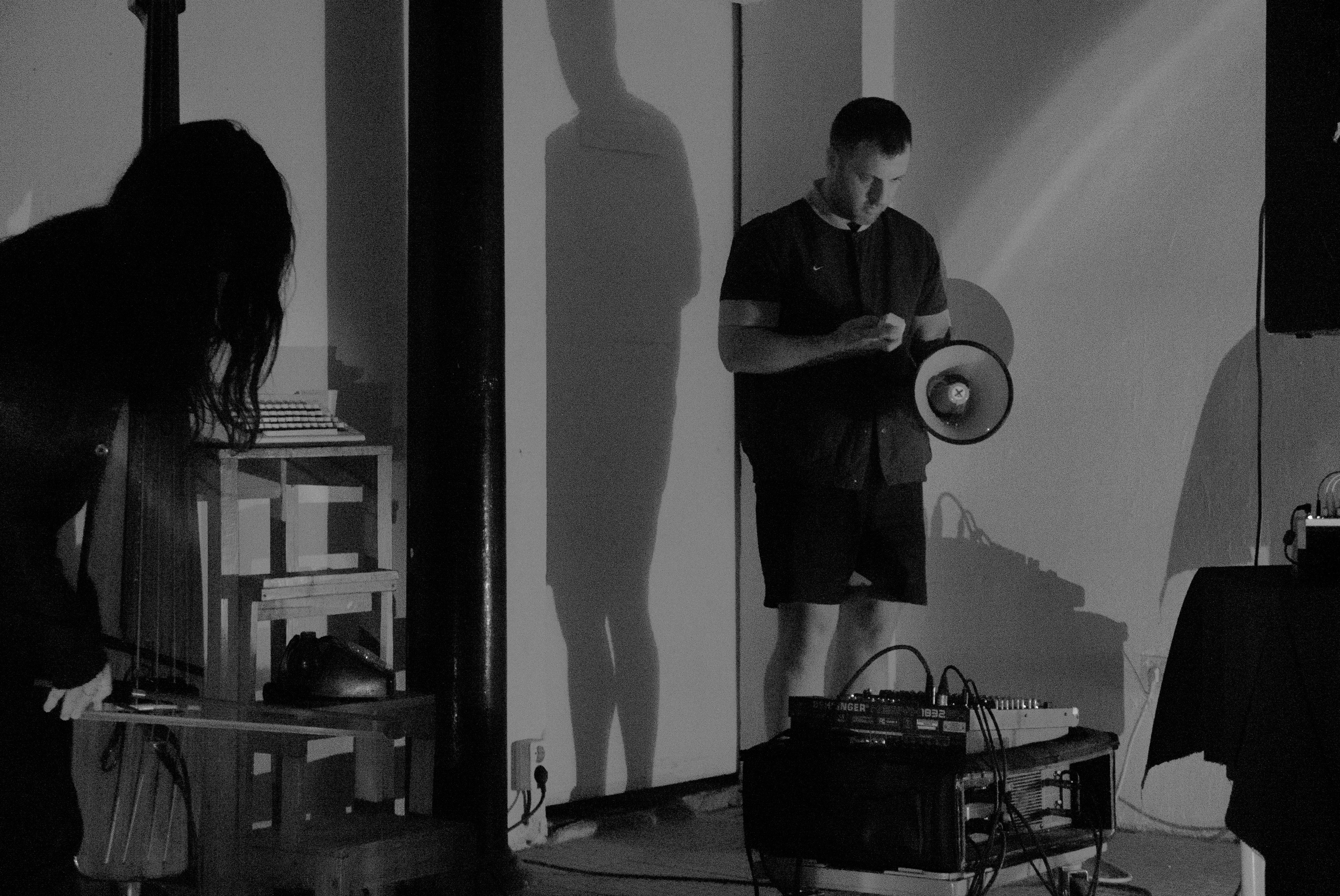
Vasco Alves and Margarida Garcia started their duo collaboration two years ago and developed a unique concert practice, consisting of an interaction between electric double bass and two megaphones normally used for public announcements. Both instruments also serve as recording devices collecting and playing back a selection of musical material just heard. This repetition offers also the opportunity of polyphonic orchestration and alienates vocal utterances, charging them with a strange poetics transformed by their sudden acousmatic and phantomal character.
The concert is followed by an aftertalk with Luís Neiva and Björn Schmelzer together with the two musicians on the subject of musical improvisation and its troubles.
Free entrance with optional donation
Address : Jos Smolderenstraat 76 2000 Antwerpen (Nieuw-Zuid)
Vasco Alves en Margarida Garcia begonnen hun samenwerking twee jaar geleden en ontwikkelden intussen een unieke concertpraktijk, bestaande uit de interactie tussen elektrische contrabas en twee megafoons. Vooral de capaciteit van beide instrumenten om gelijktijdig een selectie van het muzikaal materiaal op te nemen en weer te laten horen wordt hier uitgespeeld. De herhaling die zo ontstaat biedt de mogelijkheid tot polyfone orkestratie en vervreemdt tegelijk de vocale interventies die een unheimliche poëzie produceren met een akoesmatisch en fantoomachtig karakter. Na het concert volgt een nagesprek met Luís Neiva en Björn Schmelzer, samen met de twee muzikanten, over de ellende van en het gedoe rond muzikale improvisatie.
Vrije inkom met optionele gift
Adres : Jos Smolderenstraat 76 2000 Antwerpen (Nieuw-Zuid)
“I saw myself as arriving in the back of an author and giving him a child that would be his own offspring, yet monstrous. It was really important for it to be his own child, because the author had to actually say all I had him saying. But the child was bound to be monstrous too, because it resulted from all sorts of shifting, slipping, breakages, and hidden emissions that I really enjoyed.” (Gilles Deleuze)
Cusanus is one of the most exciting and eccentric thinkers of the late Middle Ages bridging Neoplatonism and German Idealism. We explore the specificity of Cusanus’ dialectical theology (which is his philosophy) that makes him radically modern, in order to explore this dimension in polyphony and other arts as well. Cusanus never theorized polyphony or the arts in a direct way. There seems not to exist any aesthetic theory or thinking about polyphony and the arts from that time. Nevertheless, polyphony and arts are dramatic structures of thinking. Polyphony as a practice is performed based on a totally quantified diagrammatic writing. However, they were considered “mechanical” arts and lacking a stable form on which to constitute thinking.
The unthought dramaturgy of aesthetic dialectics revealed in polyphony and visual arts resonates surprisingly with Cusa’s own thought.
Polyphony and the arts are the symptom of Nicholas of Cusa. We will explore the short-circuit between Cusanus and the arts and problematize historicist approaches as well.
The seminar-sessions (one in the morning and two in the afternoon) will be lead by Björn Schmelzer, joined by Luís Neiva (Nova University Lisbon / Spirit is a Bone) and by Cusanus expert Inigo Bocken (Universities of Nijmegen and Leuven)
Bocken and Schmelzer are currently working on a book on the topic. Their research will provide the framework for the three days.
On 19 August the sessions will be interspersed with polyphonic performances as examples and study materials by four singers of Graindelavoix (Andrew Hallock, Albert Riera, Marius Peterson, Arnout Malfliet) engaged in the Cusanus project.
We welcome all students, researchers, scholars, artists and all interested folks in the domains of the arts, music, philosophy, art history, theology, anthropology and musicology a.o. to join us and think together!
The sessions will be in English.
The Cusanus Summer School takes place at Jos Smolderenstraat 76, 2000 Antwerpen (Nieuw-Zuid) on 18, 19 and 20 August 2025, from 11h till 18h.
Joining the Cusanus Summer School for three days : 50 euro (separate day: 20 euro)
Inscription: katrijn@Graindelavoix.be
Information: info@Graindelavoix.be
Cusanus is een van de meest opwindende en excentrieke denkers van de late middeleeuwen, die een brug slaat tussen het neoplatonisme en het Duitse idealisme. We onderzoeken de specificiteit van Cusanus' dialectische theologie (zijn filosofie) die hem radicaal modern maakt, om deze dimensie ook in polyfonie en andere kunsten te verkennen.Cusanus heeft polyfonie of de kunsten nooit rechtstreeks getheoretiseerd. Er lijkt geen esthetische theorie of denken over polyfonie en de kunsten uit die tijd te bestaan.Niettemin zijn polyfonie en de kunsten dramatische denkstructuren. Polyfonie als praktijk wordt uitgevoerd op basis van een volledig gekwantificeerde diagrammatische schriftuur. Ze werden echter beschouwd als "mechanische" kunsten en misten een stabiele vorm om het denken op te baseren.
De ongedachte dramaturgie van esthetische dialectiek die zich manifesteert in polyfonie en beeldende kunsten resoneert verrassend met Cusa's eigen denken.Polyfonie en de kunsten zijn het symptoom van Nicolaas van Cusa. We zullen de kortsluiting tussen Cusanus en de kunsten onderzoeken en ook historicistische benaderingen problematiseren.
De seminariesessies (één 's ochtends en twee 's middags) worden geleid door Björn Schmelzer, samen met Luís Neiva (Universidade Nova Lissabon / Spirit is a Bone) en Cusanus-expert Inigo Bocken (Universiteiten van Nijmegen en Leuven), met een interventie van Andrew Hallock (zanger bij Graindelavoix).Bocken en Schmelzer werken momenteel aan een boek over het onderwerp dat als kader dient voor de driedaagse sessies. Op 19 augustus worden de sessies afgewisseld met polyfone uitvoeringen als voorbeelden en studiemateriaal door vier zangers van Graindelavoix (Andrew Hallock, Albert Riera, Marius Peterson, Arnout Malfliet) die betrokken zijn bij het Cusanus-project.
We nodigen alle studenten, onderzoekers, academici, kunstenaars en alle geïnteresseerden uit in de domeinen van kunst, muziek, filosofie, kunstgeschiedenis, theologie, antropologie en musicologie om deel te nemen en samen te denken!De sessies zijn in het Engels.
De Cusanus Zomerschool vindt plaats in de Jos Smolderenstraat 76, 2000 Antwerpen (Nieuw-Zuid) op 18, 19 en 20 augustus 2025, van 11u tot en met 18u.
Deelname aan de Cusanus Summer School voor drie dagen: 50 euro (losse dag: 20 euro)
Inschrijving: katrijn@graindelavoix.be
Informatie: info@graindelavoix.be

Antwerp (music)philosopher Marlies De Munck is discussing her struggles with the genre of the music essay. Not only does music inherently resist attempts to capture it in words, philosophical writing is an equally treacherous endeavor. It is a constant struggle to create images for the mind’s eye while remaining true to the volatility of both music and words. The true nominalist music essay must therefore constantly strive to provide insight without making any claim to proper knowledge. By trying to be musical itself, it becomes the flatus vocis par excellence – the wind from the mouth – that tricks your brain into seeing the music. The talk is followed by a conversation with Marlies de Munck, Luís Neiva and Björn Schmelzer.
Marlies De Munck is specialised in cultural and art philosophy and aesthetics, and especially the philosophy of music. She lectures at the University of Antwerp and regularly writes for newspaper De Standaard and Knack magazine.
Free entrance with optional donation
Address : Jos Smolderenstraat 76 2000 Antwerpen (Nieuw-Zuid)
De Antwerpse (muziek)filosofe Marlies De Munck bespreekt haar worstelingen met het genre van het muziekessay. Niet alleen verzet muziek zich inherent tegen pogingen om haar in woorden te vatten, filosofisch schrijven is een even verraderlijke bezigheid. Het is een voortdurende strijd om beelden voor het geestesoog te creëren en tegelijkertijd trouw te blijven aan de vluchtigheid van zowel muziek als woorden. Het ware nominalistische muziekessay moet er daarom voortdurend naar streven inzicht te bieden zonder enige aanspraak te maken op echte kennis. Door zelf muzikaal te proberen te zijn, wordt het de flatus vocis bij uitstek, de ademtocht, die je hersenen misleidt om de muziek te zien. Na de lezing volgt een gesprek met Marlies de Munck, Luís Neiva en Björn Schmelzer.
Marlies De Munck is gespecialiseerd in cultuur- en kunstfilosofie en esthetica, en in het bijzonder de filosofie van de muziek. Ze doceert aan de Universiteit Antwerpen en schrijft regelmatig voor De Standaard en het tijdschrift Knack.
Vrije inkom met optionele gift
Adres : Jos Smolderenstraat 76 2000 Antwerpen (Nieuw-Zuid)
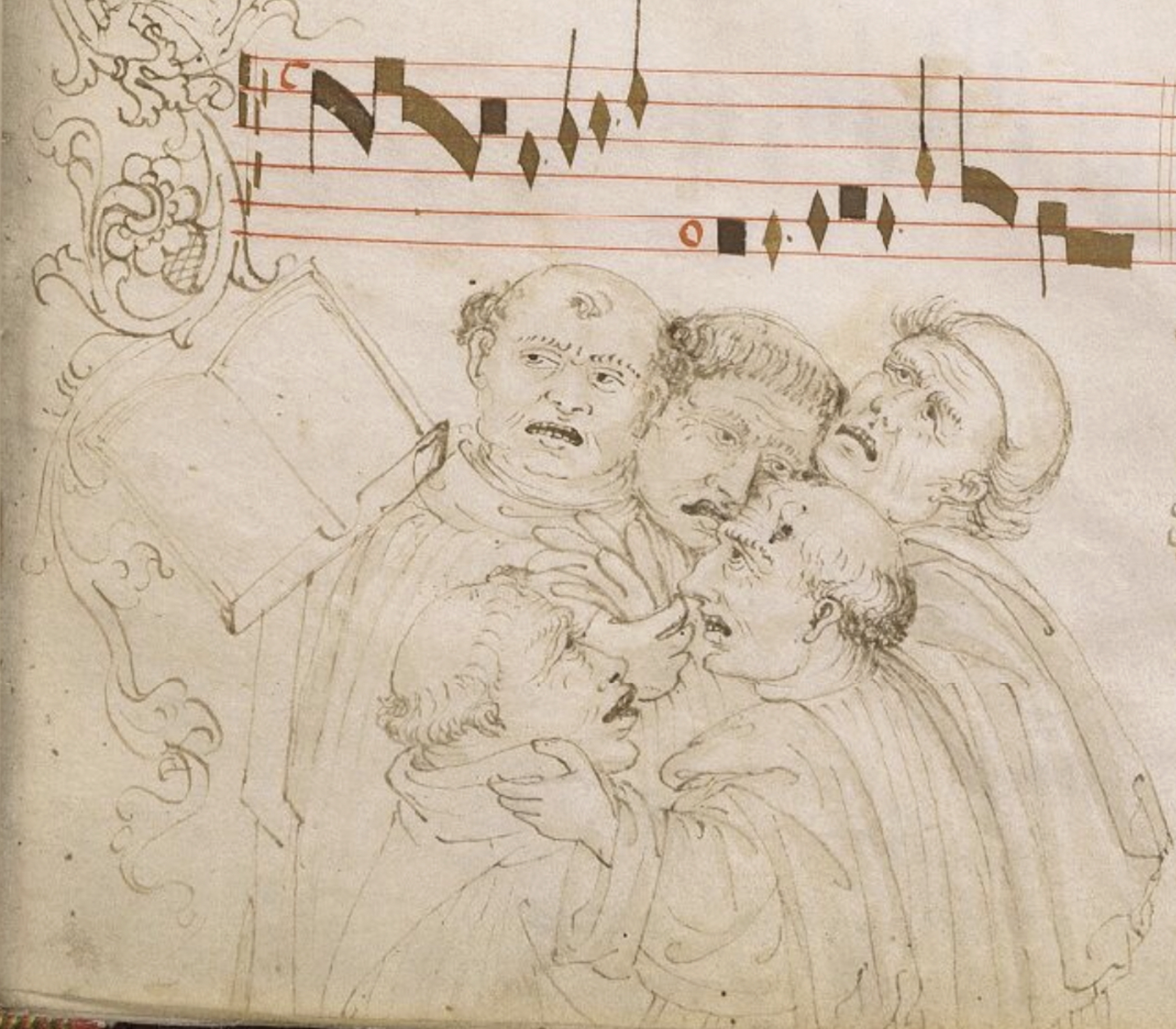
From the outset, polyphony was a crisis repertoire, often denounced as monstrous and unnatural. Critical and disapproving discourse on polyphony is as old as the written repertoire itself. From the 12th century onward, church scholars and theologians condemned polyphony in terms intended to curb the physical enjoyment it evokes in both performers and listeners. But the remarkable thing is that these condemnatory terms, for example, those of Aelred of Rievaulx, John of Salisbury, or Alain de Lille, themselves overflow with enjoyment. Polyphony was also consistently associated with so-called sexual aberrations and unnatural acts. This ambiguous status of polyphony has indeed contributed to its survival and development. From the 13th and especially the 14th century, composers themselves began to conceptualize this so-called unnatural creation from nothing, a kind of reverse or failed alchemy, in their own polyphonic creations. Machaut wrote a work that could be performed both forward and backward. Philippe de Vitry wrote self-referential works that described their own conception in the sung text. Their pupils and followers went even further, integrating condemnations of corruption and decadence into the music and lyrics of their own polyphonic compositions. From the 14th century onward, with the ars nova and ars subtilior, this tendency reached its peak, and composers directly integrated this critique of polyphony into their works, which were characterized by an almost aberrant self-reference and mise-en-abyme. "Contre nature" refers to a phrase from the chanson "Or voit tout en aventure" by Guido de Lange: "nous faysons contre nature!" In this way, the singers associate themselves with what publicly and morally undermines their art. The works of Jacob Senleches, Mattheus de Sancto Johanne, Zacara da Teramo and Solage prove that we have always been modern.
The final result of the work (and premiere of this new program) will be presented on 28 August 2025 in a concert for the Antwerp Laus Polyphoniae Festival. As the concert has been sold out for a while now, joining the inner kitchen of Graindelavoix and experiencing up close the unfolding of the musical material, could be the best surrogate.
With Teodora Tommasi, Andrew Hallock, André Pérez, Albert Riera, Marius Peterson, Tomàs Maxé, Arnout Malfliet, Lluís Coll i Trulls, Floris De Rycker & Björn Schmelzer
Free entrance
Address : Jos Smolderenstraat 76 2000 Antwerpen (Nieuw-Zuid)
Polyfonie was vanaf het begin een crisis-repertoire, vaak gehekeld als monsterlijk en tegennatuurlijk. De kritische en afkeurende discours over polyfonie zijn even oud als het geschreven repertoire zelf. Kerkgeleerden en theologen hebben vanaf de 12de eeuw polyfonie veroordeeld in bewoordingen die het lichamelijke genot moeten beteugelen die polyfonie opwekt zowel bij haar uitvoerders als toehoorders, maar het merkwaardige is dat die veroordelende bewoordingen, bijvoorbeeld die van Aelred van Rievaulx, John van Salisbury of Alain de Lille, zelf overlopen van genotzucht. Polyfonie werd ook steevast geassocieerd met zogenaamde seksuele aberraties en tegennatuurlijke handelingen.
Die ambigue status van polyfonie heeft eerder bijgedragen aan haar voortbestaan en ontwikkeling. Vanaf de 13de en vooral 14de eeuw gingen componisten die zogenaamde tegennatuurlijke creatie uit het niets, een soort omgekeerde of mislukte alchemie, zelf conceptualiseren in hun eigen polyfone creaties. Machaut schrijft een werk dat zowel van voren naar achter als retrograde kan worden uitgevoerd. Philippe de Vitry schrijft zelf-referentiële werken die hun eigen concipiëring beschrijven in de gezongen tekst. Hun leerlingen en volgelingen gaan nog een stap verder met het integreren van de veroordelingen van corruptie en decadentie in de muziek en tekst van hun eigen polyfone composities.
Vanaf de 14de eeuw met de ars nova en ars subtilior wordt deze tendens op de spits gedreven en integreren componisten die kritiek op de polyfonie rechtstreeks in hun werken, die worden gekenmerkt door een bijna aberrante zelf-referentie en mise-en-abyme.
“Contre nature” verwijst naar een zin uit het chanson “Or voit tout en aventure”van Guido de Lange: “nous faysons contre nature!” waarbij de zangers zich associëren met wat hun kunst publiekelijk en moreel onderuit haalt. De werken van Jacob Senleches, Mattheus de Sancto Johanne, Zacara da Teramo en Solage bewijzen dat we altijd al modern zijn geweest.
Het eindresultaat van het werk (en de première van dit nieuwe programma) wordt op 28 augustus gepresenteerd tijdens een concert voor het Antwerpse Laus Polyphoniae Festival. Aangezien het concert al een tijdje uitverkocht is, is een blik op de interne keuken van Graindelavoix en het werk van zo dichtbij te volgen, misschien wel het beste surrogaat.
Met Teodora Tommasi, Andrew Hallock, André Pérez, Albert Riera, Marius Peterson, Tomàs Maxé, Arnout Malfliet, Lluís Coll i Trulls, Floris De Rycker & Björn Schmelzer
Vrije inkom
Adres : Jos Smolderenstraat 76 2000 Antwerpen (Nieuw-Zuid)


